
Last updated October 16, 2026
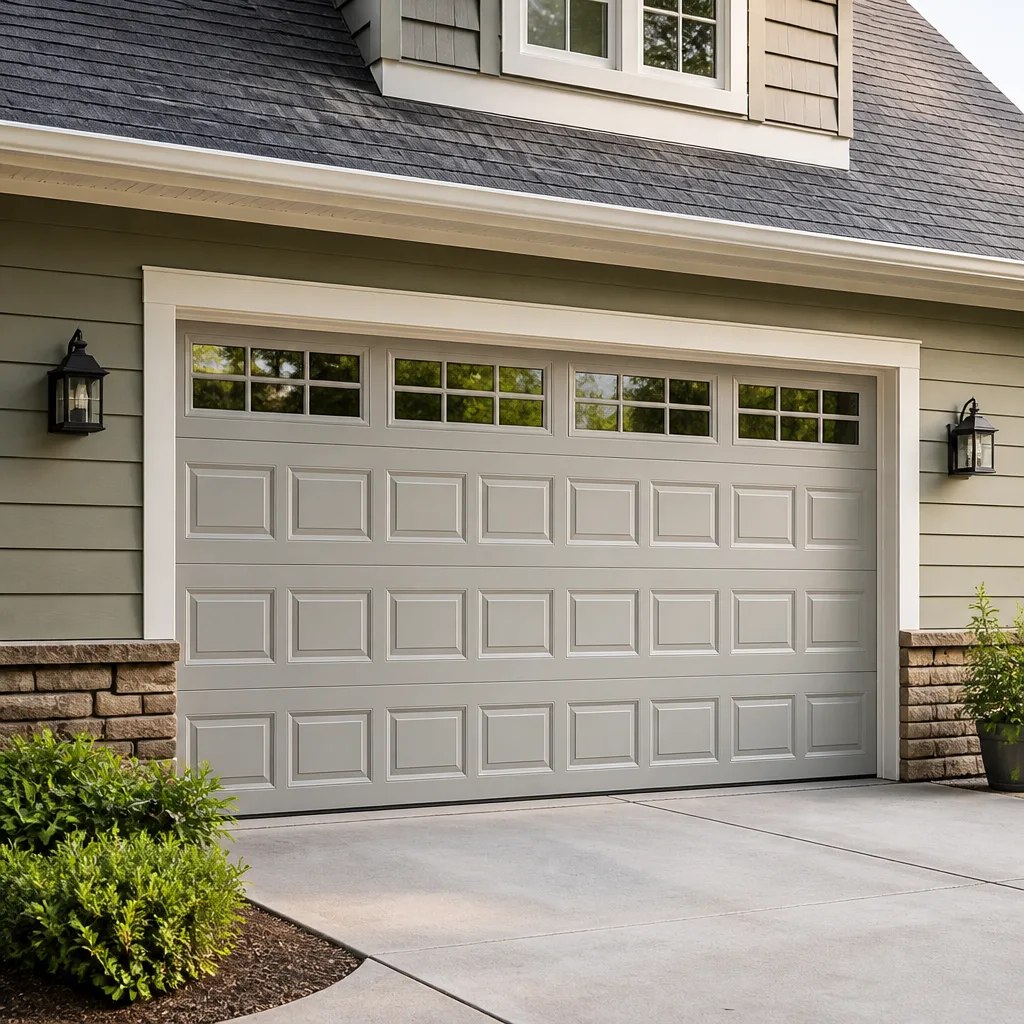 Raised-panel steel
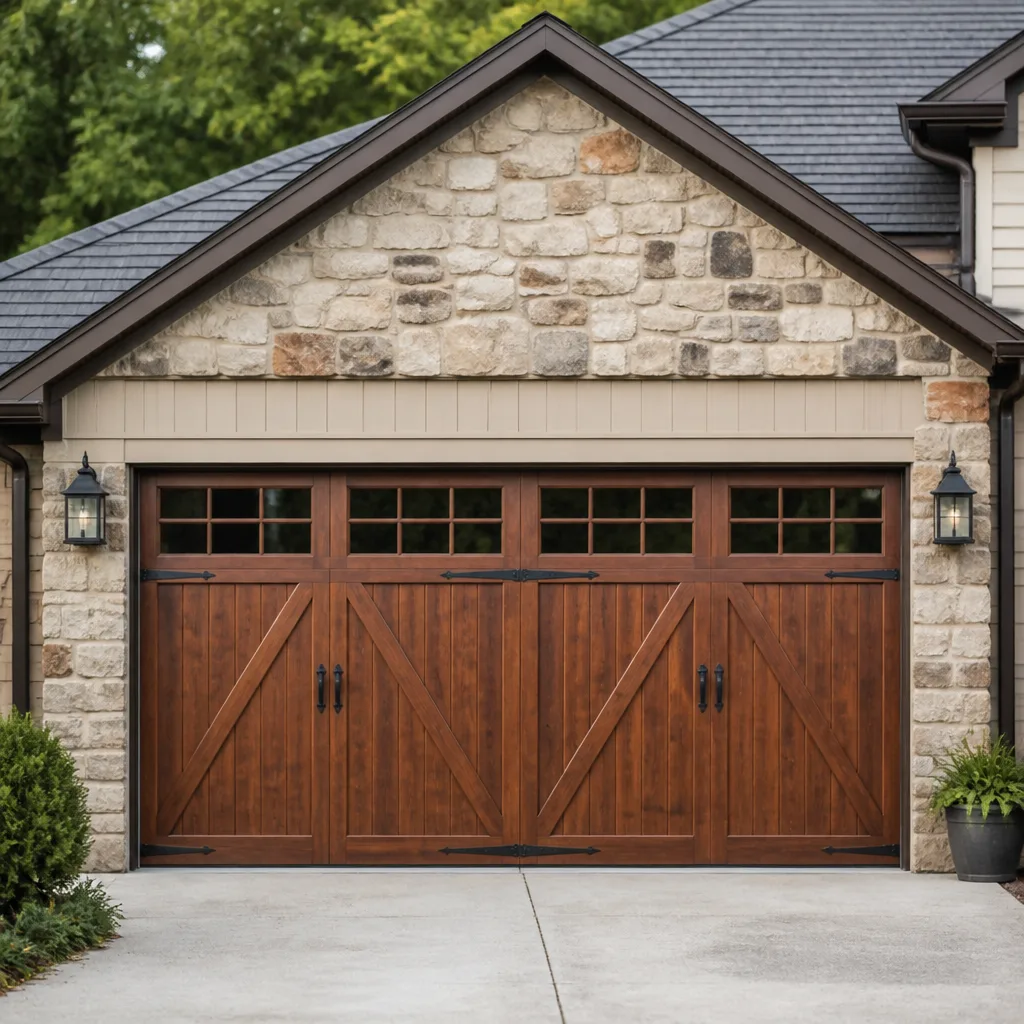 Carriage house
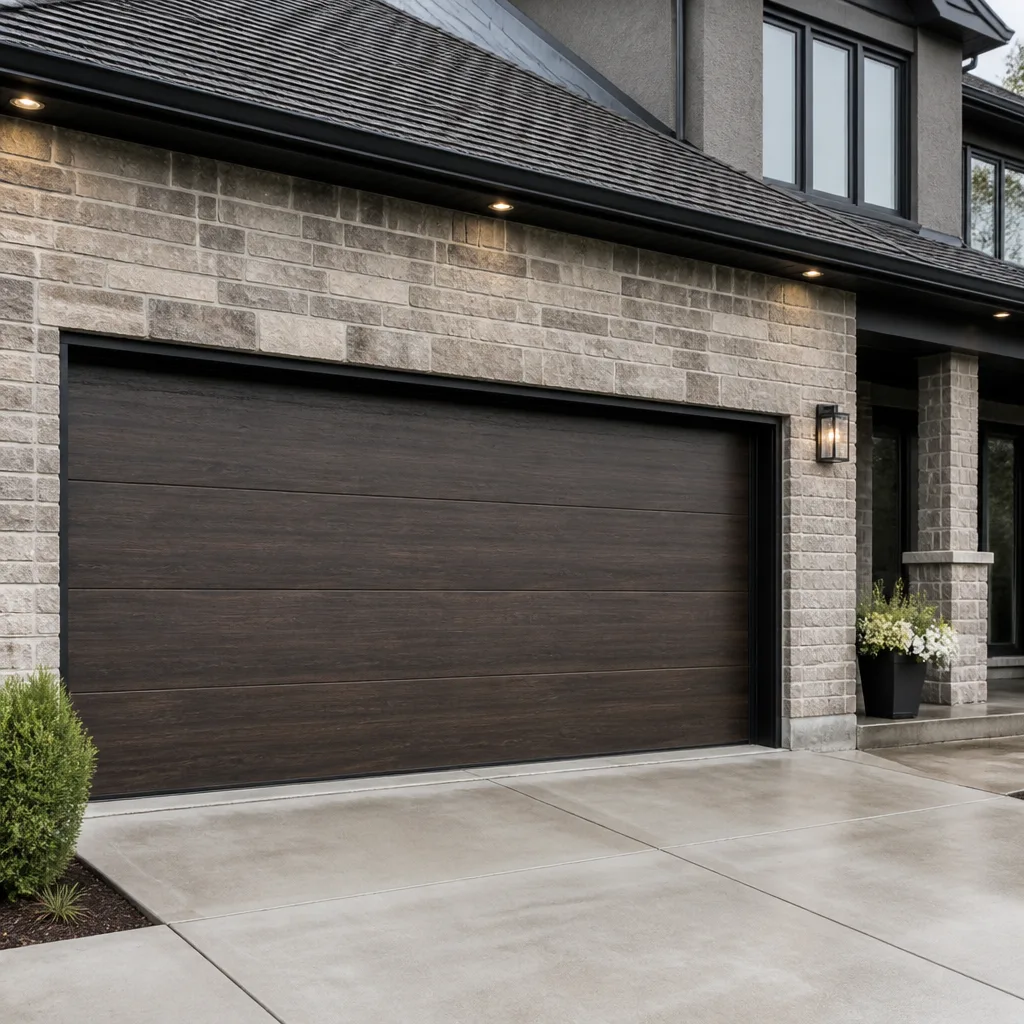 Modern flush
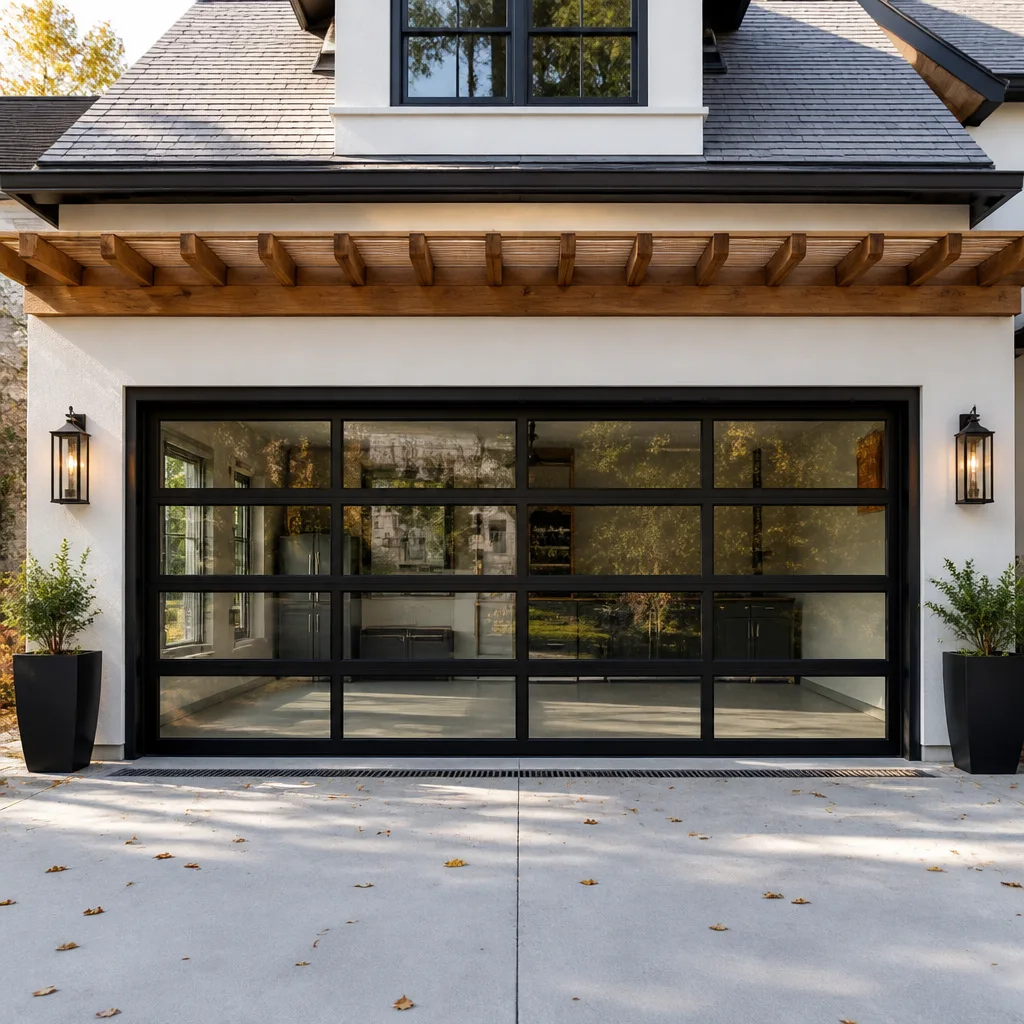 Full-view glass
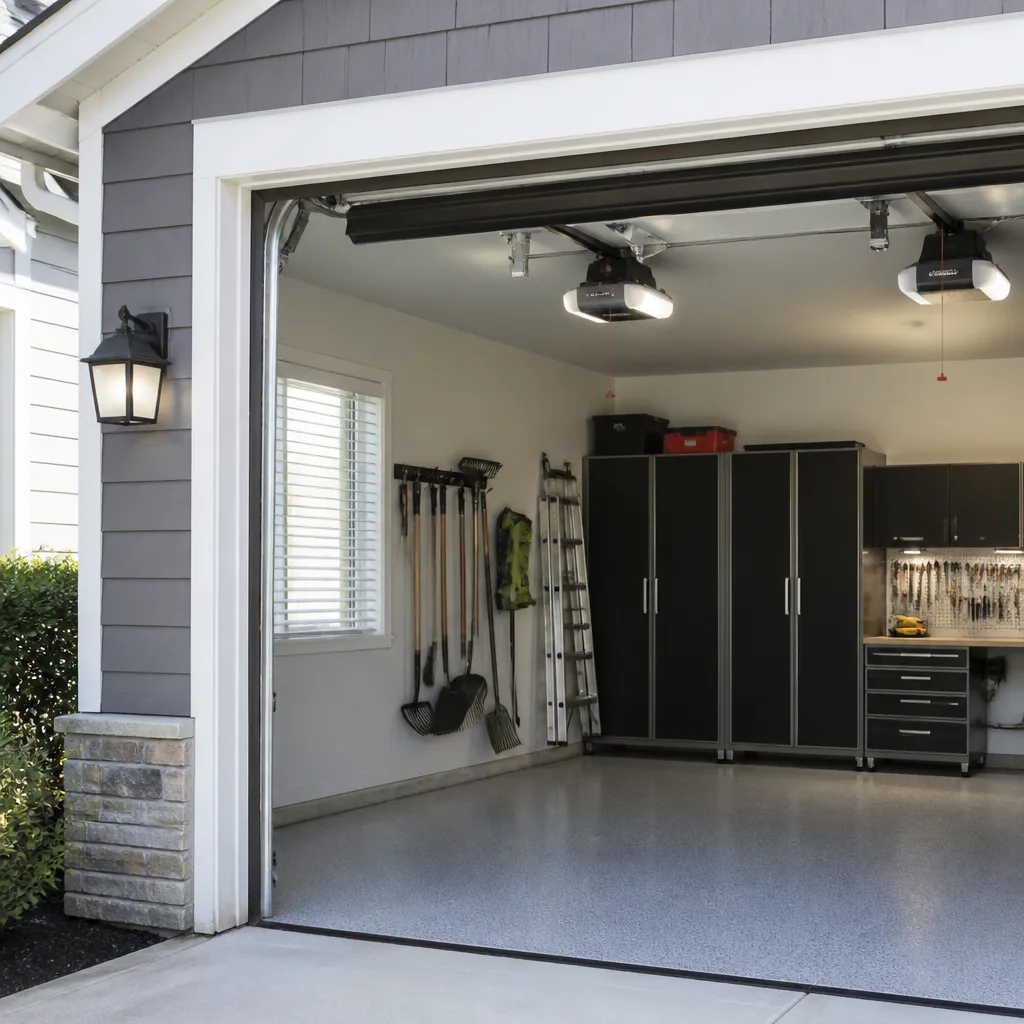 LiftMaster openers
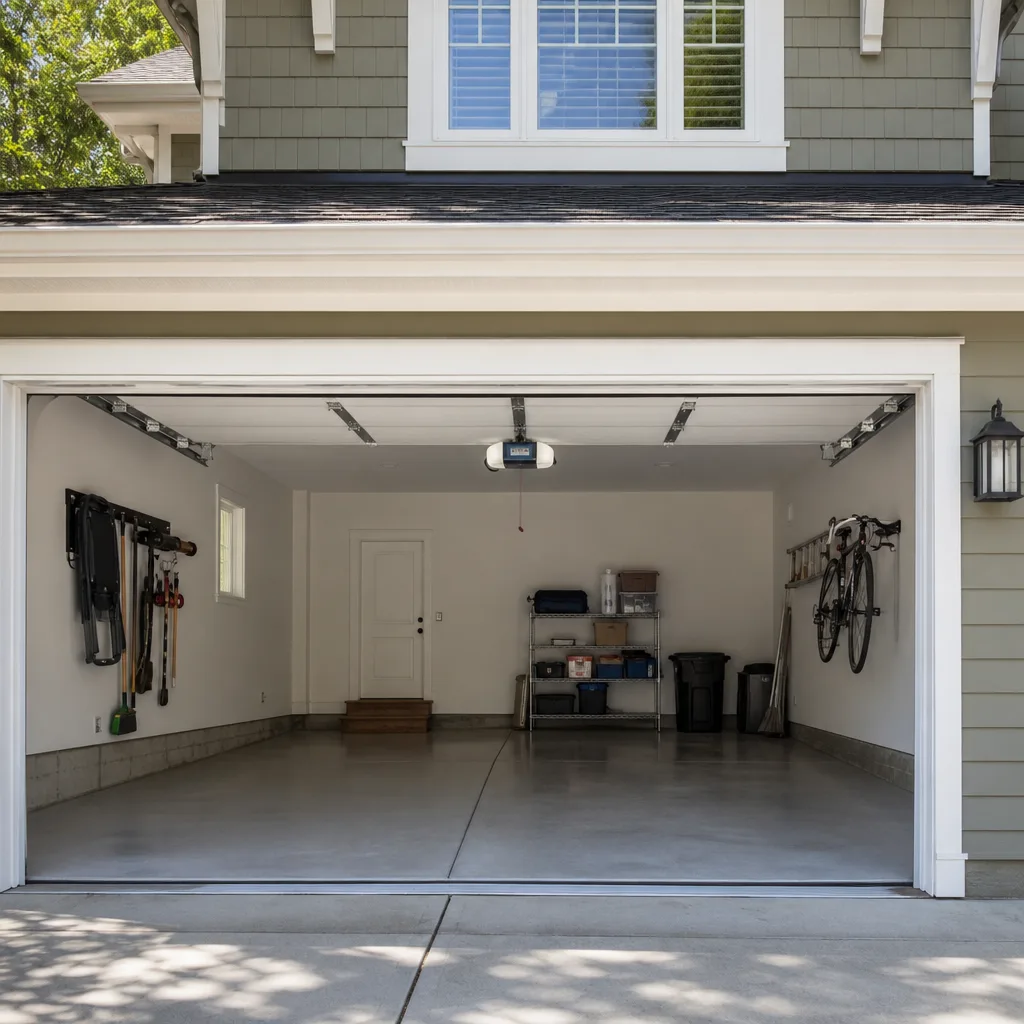 Chamberlain openers
Full 25-point door and opener safety check with every visit - springs, cables, rollers, tracks, and your LiftMaster or Chamberlain opener included
You get a price before we start. It does not change when the truck arrives.
Get your free estimateSeasonal Garage Door Care for Dallas: Year-Round Homeowner’s Guide
A Dallas garage door faces a peculiar beating: 100°F heat in July and a hard freeze in January, sometimes within the same winter week. That thermal swing isn’t just uncomfortable for you. It’s actively pulling your door apart. Metal expands and contracts. Rubber seals turn brittle, then freeze, then bake. This guide and our Complete Guide to Garage Door in Dallas teach you what to check each season, when to do it, and what to leave alone. If you own a home in Dallas, your garage door is the largest moving object on your property. It deserves better than reactive repairs.
Quick Answer
Seasonal garage door maintenance in Dallas means lubricating moving parts twice a year (spring and fall), inspecting cables and seals after every freeze event, checking weatherstripping before summer heat, and adjusting travel limits when temperatures swing more than 30 degrees. Most homeowners can handle visual inspections in 15 minutes, though DIY vs Professional Garage Door considerations apply for anything involving torsion springs or cables under tension, which should go to a licensed professional.
Styles & brands we work with
Table of Contents
- Spring Maintenance: March Through May
- Summer Maintenance: June Through September
- Fall Maintenance: October Through November
- Winter Maintenance: December Through February
- The Seasonal Task Card: Print, Date, Keep in the Garage
- Common Mistakes to Avoid
- When to Call a Professional
- Frequently Asked Questions
Spring Maintenance: March Through May
Spring in Dallas isn’t gentle. It’s storm season. Humidity spikes, rain pounds down, and the wind carries grit into every crack and crevice. Your garage door spent winter absorbing freeze-thaw cycles, and now that abuse is about to be compounded by moisture and airborne debris. The work you do now determines whether your door survives summer without a breakdown.
Start with the cables. In our experience at Garage Door Cable Repair in Dallas, freeze damage shows up as fraying near the bottom brackets or a dull, oxidized appearance along the cable length. A cable that survived January’s hard freeze may still carry micro-damage that fails under load in April. Look closely. Run a finger along the cable with a cloth, not your bare hand. If you feel burrs or snags, that cable is failing.
Next, the bottom seal. Freeze cycles cause rubber to harden in place, then crack when the door opens on a cold morning. By March, those cracks are water entry points. Check the seal along the entire width. Small tears let rainwater pool on the concrete and wick into the bottom panel. Over time, this rots the panel’s wooden core and rusts the steel frame.
Lubricate before storm season. Use a silicone spray on rollers, hinges, and the torsion spring. Do not use WD-40. It’s a water displacer, not a lubricant. It strips existing grease and leaves metal dry. A proper garage door lubricant costs about $12 and lasts a full season. Focus on the torsion spring, the thick coiled spring mounted above the door that bears most of the lifting load. A quiet door is a lubricated door.
Spring Checklist
- Inspect both cables for fraying, rust, or dull spots
- Check the bottom seal for freeze cracks and tears
- Lubricate rollers, hinges, and torsion spring with silicone spray
- Test the door balance by pulling the manual release and lifting halfway
- Check weatherstripping along the sides and top for gaps
If the door feels heavy or doesn’t stay in place when you lift it halfway, the spring is losing tension. That’s a repair call, not a maintenance task. Spring failure is the most common garage door emergency we see in Dallas from March through May.
Summer Maintenance: June Through September
Dallas summer is an endurance test. Three consecutive months of 95°F-plus heat with occasional stretches above 105°F. Your garage door is exposed to direct sunlight for six to eight hours a day. That heat does specific, predictable damage. If you know what it is, you can prevent most of it.
UV degradation is the big one. Rubber and vinyl seals break down under sustained ultraviolet exposure. The bottom seal and side weatherstripping become brittle, then crack. A seal that was pliable in May can snap off in August. Check seals monthly during summer. A new bottom seal costs $50 to $90 installed, but a failed seal means dust, insects, and 120°F air entering your garage.
Torsion springs behave differently in extreme heat. Metal expands as temperature rises. A spring wound for a door in 70°F weather has slightly less tension at 105°F. This means the door may not open as smoothly or may feel slightly different from week to week. Do not adjust the spring yourself. A torsion spring under tension carries enough stored energy to cause serious injury or death. If the door’s balance changes noticeably, call a professional.
Opener motors on west-facing doors have it worst. The afternoon sun beats directly on the motor housing. By 5 p.m., the internal temperature can exceed 150°F. The thermal overload protection should shut the motor off before it burns out, but repeated overloads shorten the motor’s life. If your opener stops working on hot afternoons but works again after the sun goes down, that’s thermal overload. The fix is usually ventilation. An insulated door panel or a simple shade screen over the opener can reduce internal temperatures by 20 to 30 degrees.
We work on LiftMaster, Chamberlain, and Genie openers most often in Dallas. All three have similar thermal limits. The failure pattern is the same across brands. The motor gets too hot, the logic board shuts it down, and you’re stuck with a door that refuses to move until evening. If this happens to your system, Garage Door Opener Repair in Dallas can evaluate whether the motor, the logic board, or the installation location is the root cause.
Summer Checklist
- Inspect all rubber seals for brittleness and UV cracking
- Check the bottom seal for gaps where sunlight is visible underneath
- Listen for changes in door balance and opener strain
- Verify the auto-reverse safety function stops and reverses the door when it hits an object
- Keep the opener motor’s ventilation clear of dust and cobwebs
Fall Maintenance: October Through November
Fall is the shortest season in Dallas. It’s also the most important for garage door care. Temperatures drop 30 to 40 degrees between October mornings and November afternoons. Metal contracts in the cold. Your door’s travel limits, set during warmer weather, may no longer be accurate. A door that closes fully in October might stop an inch short of the concrete by late November, letting cold air and insects in.
Travel limits are the settings that tell your opener how far to move the door. Most openers have two adjustment screws or a digital menu. Lower the door by hand with the opener released, watch where it stops, and adjust the close limit so the door seats fully against the floor without slamming. A properly adjusted door should stop exactly at the threshold, with the bottom seal compressed slightly.
Check the safety reversal sensitivity. The auto-reverse mechanism is the one that stops and reverses the door when it hits an object. Test it with a 2×4 laid flat under the door. The door should reverse within two seconds of contact. This is not optional maintenance. This is the safety feature that keeps your child, your pet, or your leg from being crushed. Every fall, test it. Every spring, test it again.
Lubricate again before winter moisture arrives. A second annual lubrication in October or early November protects against the freeze-thaw cycle that Dallas receives every winter. Use the same silicone spray as spring. Pay attention to the hinges and the top roller brackets, where condensation collects first.
This is also the time to schedule any Garage Door Repair in Dallas work you’ve been putting off. Fall is the calm before the winter rush. Once the first freeze hits, repair companies get flooded with calls from homeowners whose doors failed in the cold. A cable or spring replacement scheduled in October costs the same as an emergency call in January, but you get to choose the day and time instead of waiting for a truck to become available.
Fall Checklist
- Adjust opener travel limits for colder, contracted metal
- Test the safety auto-reverse function with a 2×4
- Lubricate rollers, hinges, and springs a second time this year
- Inspect the door panels for gaps that appear as metal contracts
- Check all hinges and brackets for cracked fasteners
Winter Maintenance: December Through February
Dallas winters are short but violent. A hard freeze hits, ice forms overnight, and your garage door is glued to the concrete by morning. Homeowners across Dallas learn the same lesson every year: ice on the bottom seal is a real problem, and the way you respond to it determines whether you need a repair or a replacement.
If your door is frozen shut, do not press the opener button repeatedly. The opener motor will strain against the ice. The gears inside the opener head, usually plastic, will strip. That’s a $150 to $300 repair, and it’s entirely avoidable. Instead, use a flat shovel or a wood block to break the ice seal along the bottom edge. Pour warm (not hot) water along the threshold to melt the remaining ice. Once the seal is free, lift the door manually before using the opener.
Freeze-cracked roller bearings are another winter issue. Most garage door rollers have steel ball bearings inside. When water works its way in and freezes, the expanding ice cracks the bearing race. The roller still spins, but it grinds and wobbles. A damaged roller can jump the track when the door moves, leaving the door jammed partway up. If your door is louder than usual in January, especially if you hear a grinding sound, inspect the rollers. Replacing a single roller costs $25 to $60. Replacing a door that falls off its track can cost more than $500.
The bottom seal is your last line of defense against winter water. When ice forms on the threshold, it pries the seal upward. Small gaps become entry points for freezing air on the next cold snap. Check the seal after every freeze event. A seal that’s pulled away from the panel needs to be re-secured or replaced before the next storm.
If your door was installed before 2010 and uses extension springs rather than torsion springs, winter is when those springs fail most often. The cold makes steel more brittle. If you see two long springs running along the horizontal tracks on each side, that’s an extension spring system. These carry the same dangerous tension as torsion springs. Do not replace them yourself. A professional spring replacement in Dallas runs $180 to $340, and it comes with a written guarantee at a reputable company.
Winter Checklist
- Break ice seals gently with a shovel or warm water, not opener force
- Inspect rollers for grinding, wobbling, or freeze cracks
- Check the bottom seal after every freeze event
- Listen for changes in door balance on cold mornings
- Test the opener disconnect, the red handle, to confirm it still releases manually
The Seasonal Task Card: Print, Date, Keep in the Garage
Maintenance works when it becomes a habit. A task card on the wall next to your garage door opener turns good intentions into a recurring routine. Print this card, fill in the dates when you complete each season’s tasks, and pin it where you’ll see it every day. When you miss a season, you’ll know. The seasonal task card is your record of diligence and your first line of defense against surprise repair calls.
Spring (March 1 to May 31)
- □ Inspect cables for fraying and rust � Date: ______
- □ Check bottom seal for freeze cracks � Date: ______
- □ Lubricate rollers, hinges, spring � Date: ______
- □ Test door balance by hand � Date: ______
Summer (June 1 to September 30)
- □ Inspect rubber seals for UV cracks � Date: ______
- □ Test auto-reverse safety function � Date: ______
- □ Check opener motor for overheating after long afternoons � Date: ______
- □ Clean opener motor vents of dust and debris � Date: ______
Fall (October 1 to November 30)
- □ Adjust travel limits for colder metal � Date: ______
- □ Re-test auto-reverse with a 2×4 � Date: ______
- □ Lubricate a second time � Date: ______
- □ Inspect hinges and brackets for cracked fasteners � Date: ______
Winter (December 1 to February 28)
- □ Break ice seals gently if door freezes � Date: ______
- □ Inspect rollers for grinding and freeze cracks � Date: ______
- □ Check bottom seal after each freeze � Date: ______
- □ Test opener disconnect handle � Date: ______
Keep this card. Date it every season. When a repair technician asks how the door has been behaving, your task card tells the story better than memory.
Common Mistakes to Avoid
- Using the opener to break an ice seal. This strips the plastic gears in the opener motor. A $150 repair for a problem that warm water solves in five minutes.
- Lubricating with WD-40. WD-40 is a water displacer, not a lubricant. It strips grease from rollers and hinges, making the door louder and more prone to wear.
- Adjusting torsion springs without training. A torsion spring carries enough stored energy to cause serious injury. Call a professional. The service call costs less than an emergency room visit.
- Ignoring a door that feels heavier than usual. A heavier door means a spring is losing tension. If it breaks while the door is open, the door can slam down with extreme force.
- Waiting until winter to replace a worn bottom seal. A $20 seal replaced in October prevents water entry during winter rains and freezes. The same seal failing in January lets ice form under the door, which damages the panel and the threshold.
- Skipping the auto-reverse test. Every year, people are injured by garage doors that failed to reverse. The test takes 30 seconds. A 2×4 and a push of the button.
When to Call a Professional
Most of the tasks in this guide are visual inspections and lubrication. A few are too dangerous or too precise to attempt yourself. If your door feels heavy, if the cables are frayed, if the spring makes a popping sound, or if the door comes off its track, stop. Do not attempt to fix these problems yourself. The tension in a torsion spring or cable can release suddenly and cause severe injury. If your opener stops responding, if the door reverses unexpectedly, or if you hear grinding from the rollers, those are also signs that trained hands are needed. Brock Garage Doors Dallas offers free estimates in Dallas, and our technicians are background-checked, uniformed, and trained on LiftMaster, Chamberlain, Genie, and Clopay systems. Call (254) 269-5837 for an honest assessment.
Frequently Asked Questions
Twice a year: once in March or April before storm season, and once in October before winter. Dallas humidity and airborne grit accelerate metal wear, so semi-annual lubrication with silicone spray is the minimum for most doors. If your door is west-facing and takes direct afternoon sun, consider a third application in July to combat heat-driven evaporation.
DIY lubrication and inspection costs about $20 to $40 per year in supplies. For a full picture, see our Garage Door Cost Breakdown: The Dallas Homeowner’s Reference for 2026. A professional seasonal tune-up in Dallas typically runs $75 to $150, depending on what’s inspected and adjusted. Cable repairs run $150 to $275. Spring replacement runs $180 to $340. At Brock Garage Doors Dallas, every service begins with a written price before any work starts, so you know the exact cost before approving the job.
Break the ice seal gently with a flat shovel or warm water, never with the opener motor. Repeated attempts to force the door open with the opener will strip the plastic gears inside the motor, turning a free fix into a $150 to $300 repair. Once the seal is free, lift the door by hand once before resuming normal opener use.
That’s thermal overload. The opener motor gets too hot in direct sun, especially on west-facing doors, and the internal safety switch shuts it down to prevent burnout. It usually works again after the motor cools. The long-term fix is better ventilation, an insulated door panel, or a shade screen over the opener. If the problem continues, Garage Door Opener Repair in Dallas can assess whether the motor or logic board needs replacement.
No. Cables run under extreme tension from the torsion spring. If a cable snaps or releases while you’re working on it, the stored energy can cause serious injury. We strongly recommend calling a professional for any cable work. A cable repair in Dallas typically runs $150 to $275, and it includes the safety checks that prevent future failures.
It covers the repair we performed. If a covered repair fails within one year, we return and correct it at no additional charge. The guarantee is provided in writing on every job, not as a verbal promise. This is part of The Garrison Standard we work to at Brock Garage Doors Dallas home.
The Bottom Line
Seasonal garage door care in Dallas is not complicated. It’s a rhythm: inspect cables and seals after winter, lubricate before storm season, monitor seals in summer heat, and adjust limits before winter cold. Fifteen minutes a season prevents the vast majority of breakdowns we see. When the job goes beyond inspection and lubrication, get a written price before any work starts. That’s the single best protection against surprise invoices. For anything involving cables, springs, or track misalignment, call (254) 269-5837. A live person answers 24 hours a day, seven days a week. Every repair comes with a written price and a 365-day guarantee. That’s how work should be done.
Written by Wade Mercer, Owner at Brock Garage Doors Dallas, serving Dallas since 2001. Explore more guides & resources on our blog.
See the difference
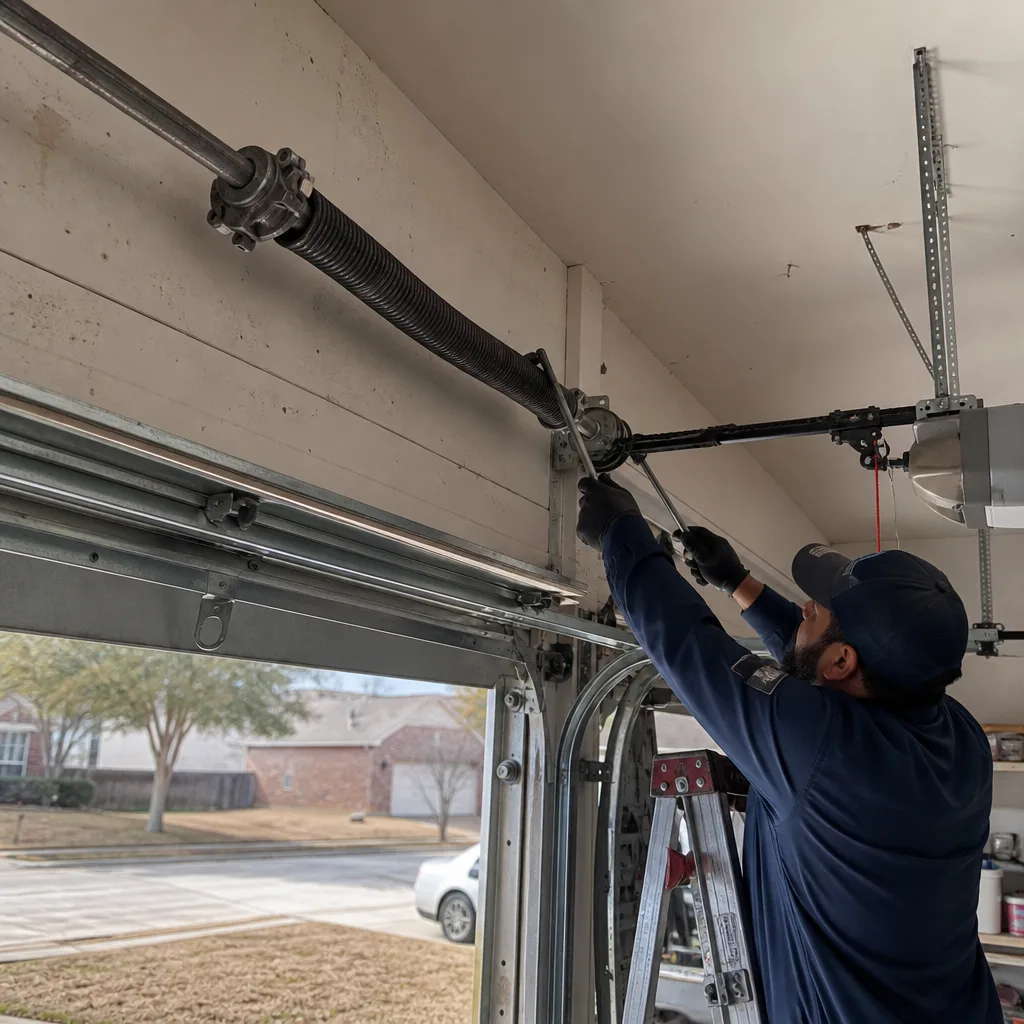 Before
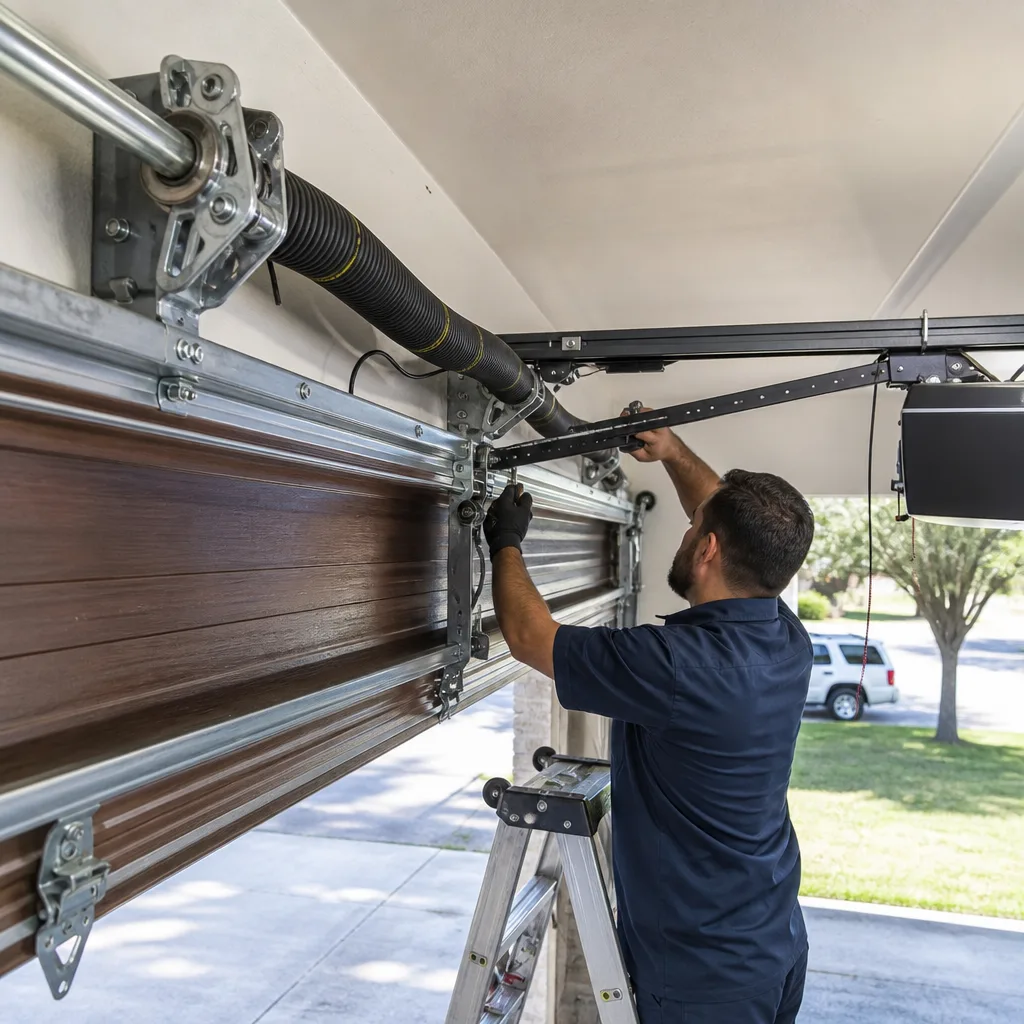 After
After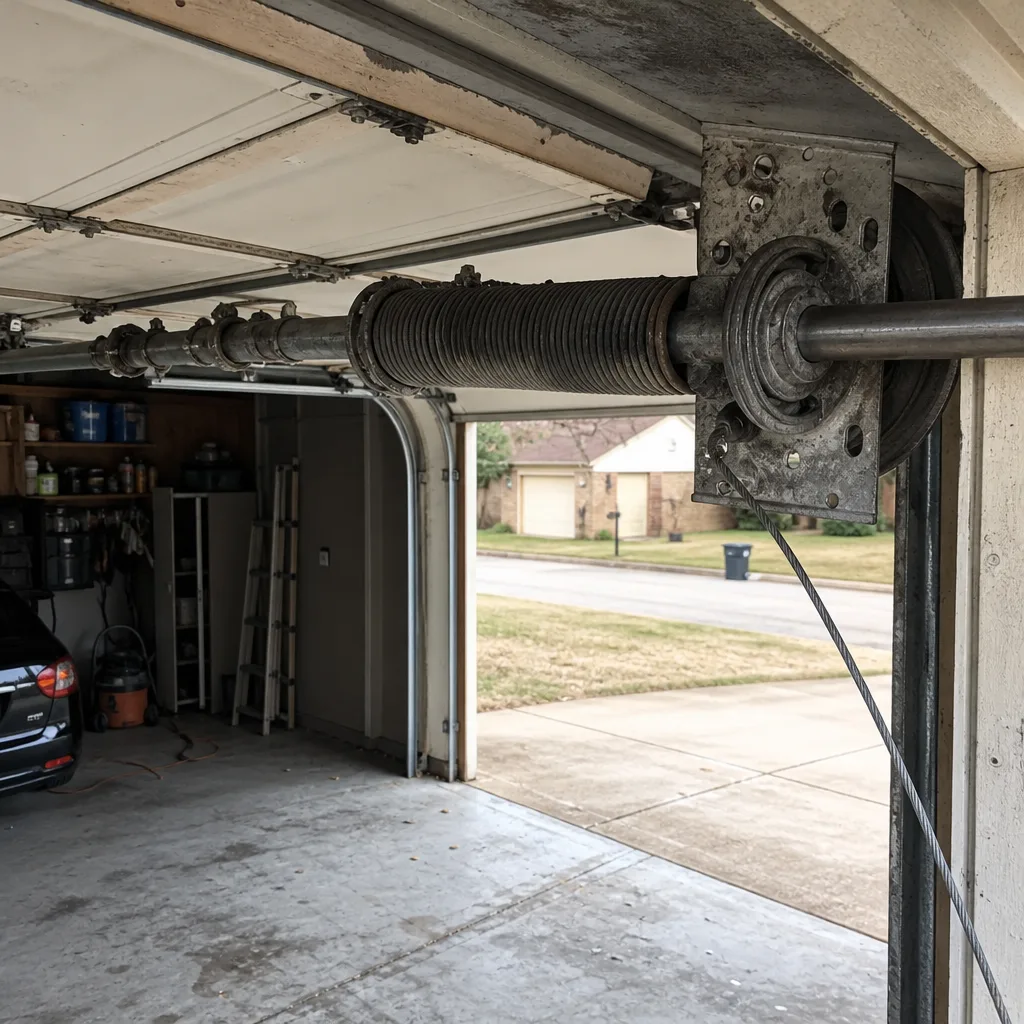 Before
 After
After Before
 After
After