
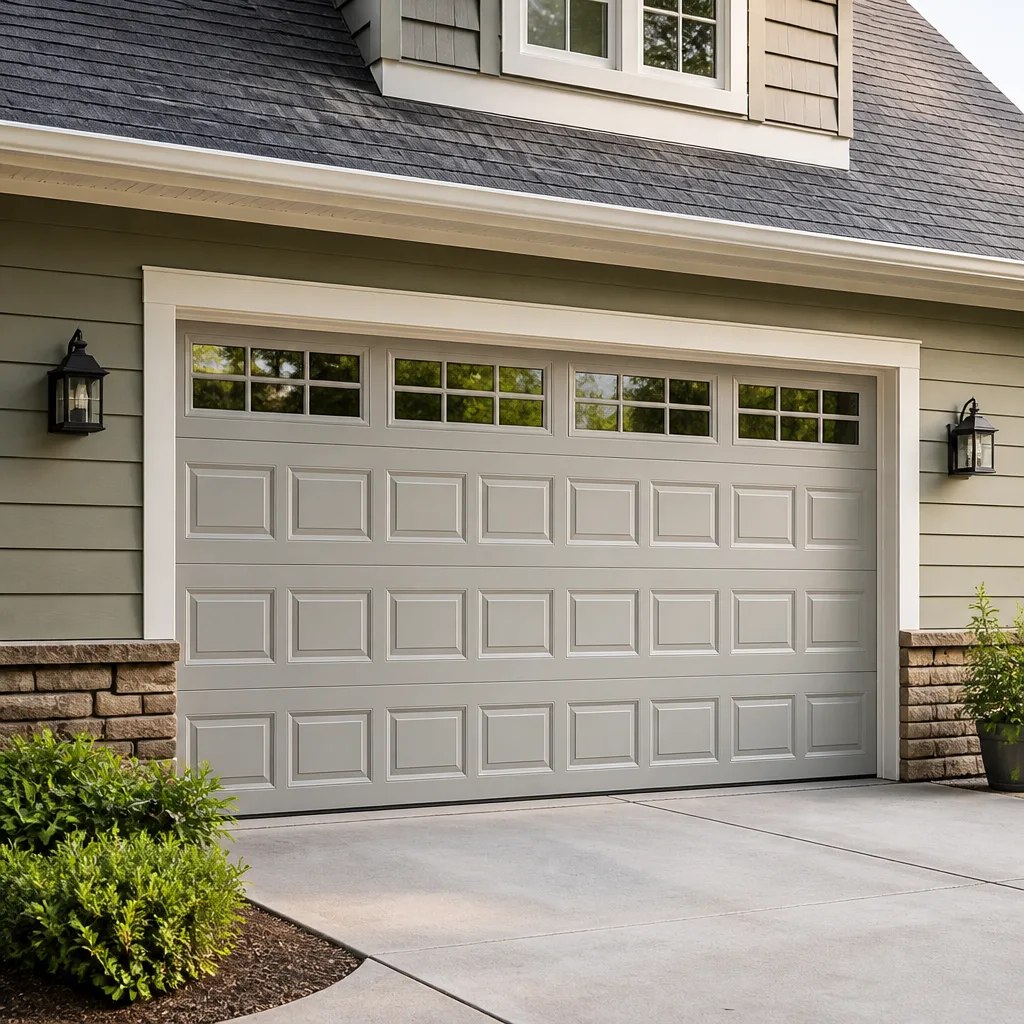
 Raised-panel steel
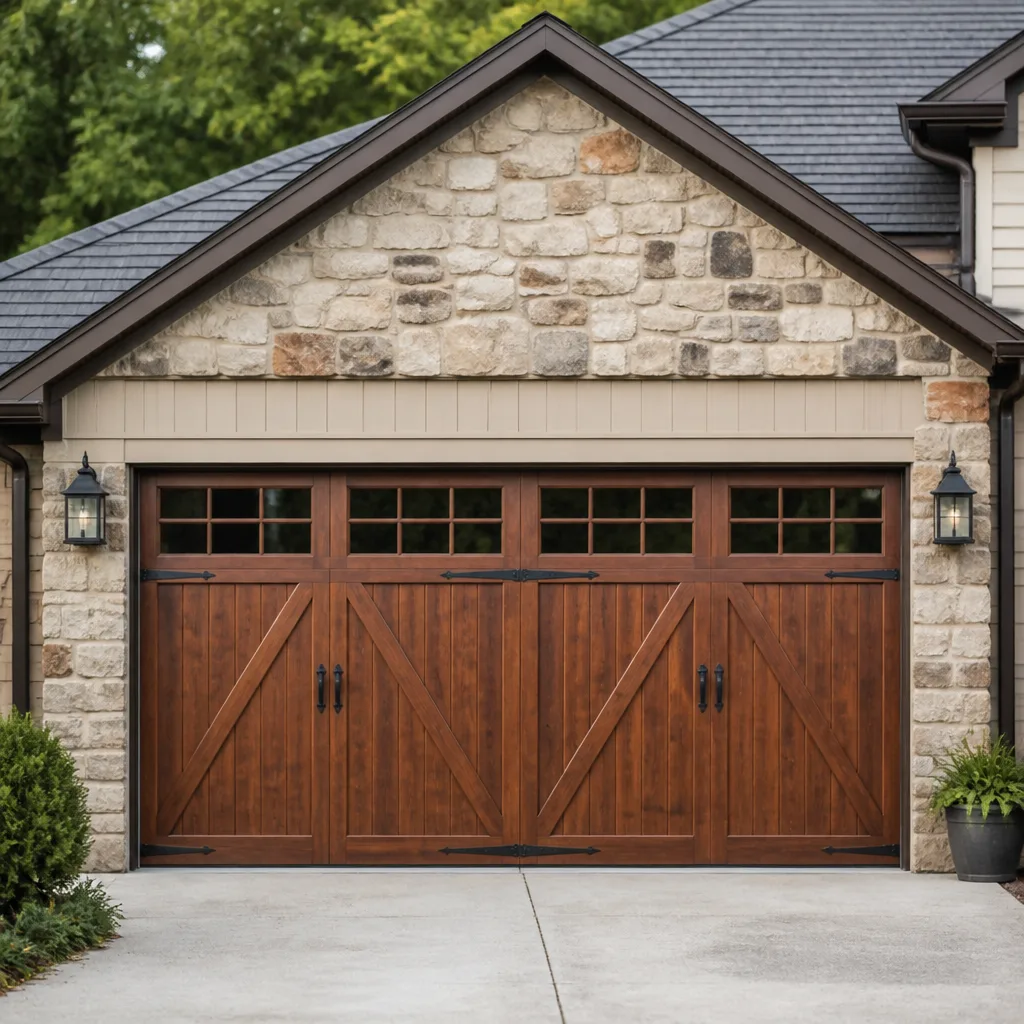 Carriage house
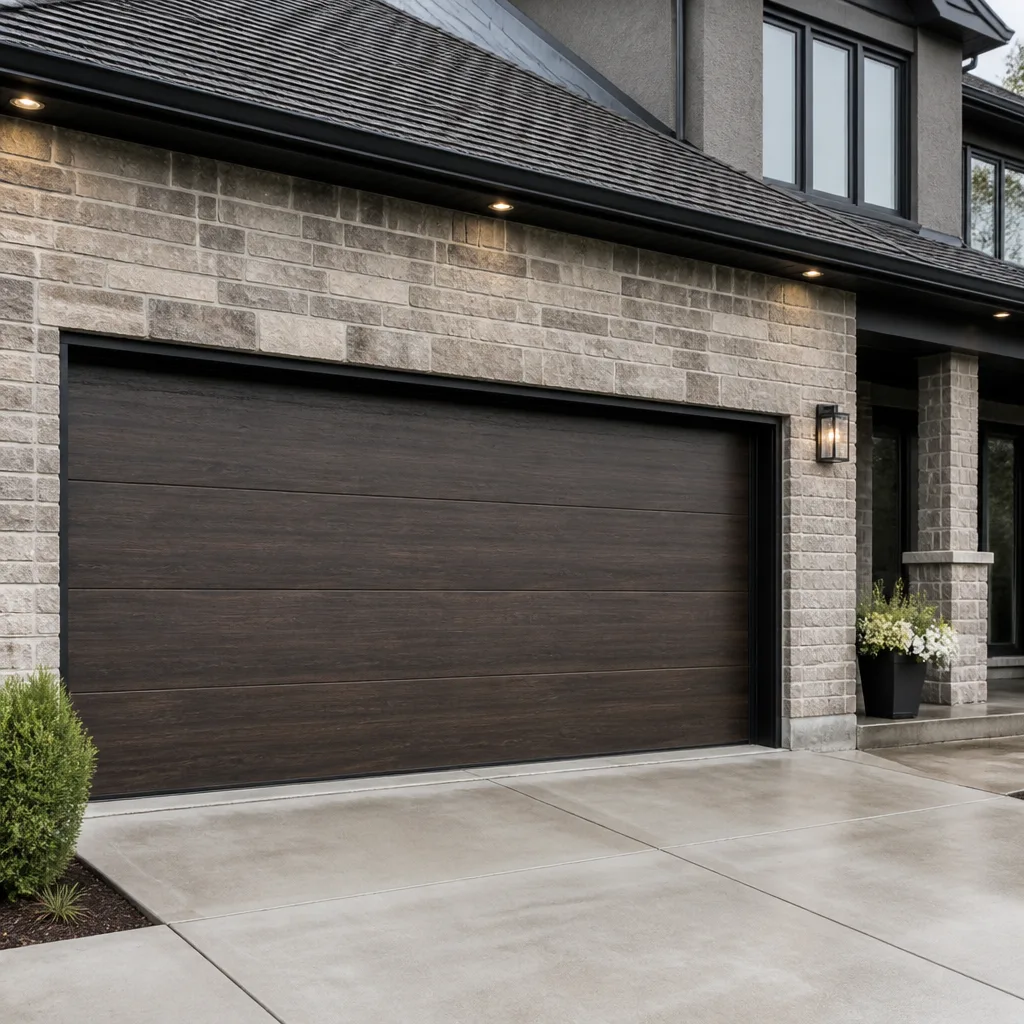 Modern flush
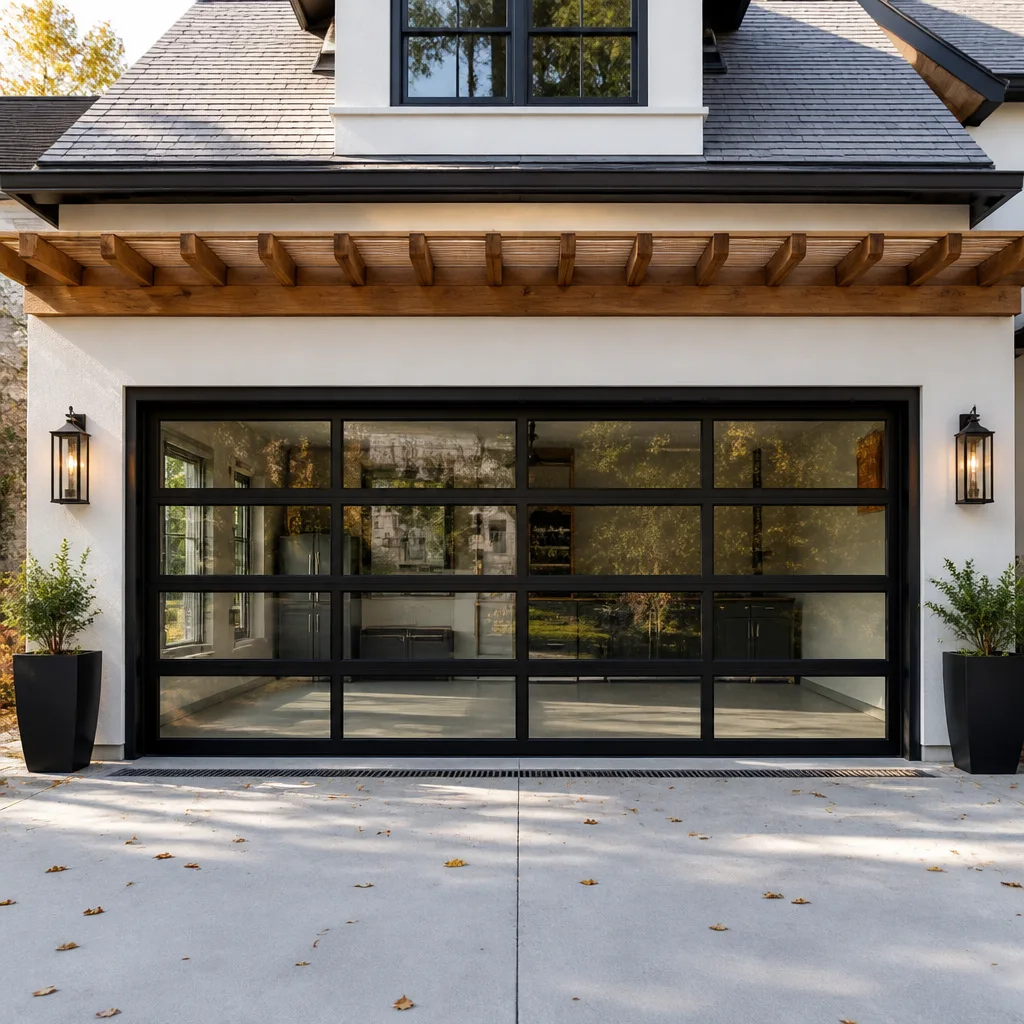 Full-view glass
 LiftMaster openers
 Chamberlain openers
Full 25-point door and opener safety check with every visit - springs, cables, rollers, tracks, and your LiftMaster or Chamberlain opener included
You get a price before we start. It does not change when the truck arrives.
Get your free estimateWayne Dalton Weather Seal Replacement: The Dallas Owner’s Guide
Wayne Dalton weather seal replacement in Dallas typically runs $130 – $250 installed, depending on your door width and the specific seal profile your model uses. We stock Wayne Dalton-compatible bottom seals and top/side perimeter seals on our trucks, so most jobs are done in a single visit. You’ll usually notice the problem the same way every Dallas homeowner does – daylight creeping under the door, a gap that lets in rain and June heat, or a seal that’s cracked, flattened, or pulling loose from its retainer.
By the time a weather seal fails in North Texas, it’s been fighting a losing battle for months. Dallas summers bake the rubber until it hardens and loses its flex. Then winter’s occasional freeze makes that hardened material brittle enough to crack. The seal is the cheapest part on your door, but when it fails, it costs you real money every month in lost conditioned air, and it hands bugs and dust a standing invitation into your garage.
Here’s what you need to know before you buy or schedule anything.
Which Wayne Dalton Models This Applies To
Wayne Dalton has used several distinct weather seal profiles across their residential lines, and they are not interchangeable. If you grab a generic seal from a big-box store, there’s a good chance it won’t seat correctly in the retainer, and it’ll sag or fall out within months. Wayne Dalton doors commonly fall into one of these seal families:
- 9000/9100/9400/9600 series (TorqueMaster doors): These use a T-style bottom seal with a bulb, but the retainer channel dimensions vary by model year. Older 9000-series doors from the 2000s often have a narrower channel than current production runs.
- 8000/8100/8200 series: These doors typically take a bead-style or T-style bottom seal depending on whether the door has an aluminum or steel bottom retainer. The 8100 and 8200 lines switched retainer profiles around 2010, so a door from 2008 and a door from 2015 may need different seals even though the model names sound close.
- Firmadoor, Classic Steel, and ThermoMark lines: These carry their own profile specs, and some use a serrated-edge seal that press-fits into a formed channel rather than sliding into a T-slot.
The fastest way to identify what you need is to check the label on the door’s inside edge or end stile – Wayne Dalton prints the series and often the part number there. If the label’s gone, measure the retainer channel width in millimeters and note whether the old seal slides out horizontally or pries out vertically. That one measurement eliminates most wrong guesses.
On the OEM-versus-aftermarket question: Wayne Dalton’s factory seals (part numbers like 154456 and 155138 for common residential applications) are made from a vinyl blend that holds up reasonably well, but the aftermarket has caught up. We carry both OEM Wayne Dalton seals and a heavier-duty commercial-grade equivalent that uses a softer durometer compound. For Dallas heat specifically, the softer compound resists hardening longer. We don’t push the OEM label unless it’s actually the better part for your door.
Styles & brands we work with
Signs Your Wayne Dalton Weather Seal Replacement Is Failing
- Visible daylight under the closed door. This is the one everyone catches. The seal has compressed, torn, or pulled away from the floor enough that light passes through. On Wayne Dalton doors, this often means the bulb portion of the seal has flattened from years of sitting against a hot slab. The seal is done, not damaged.
- A gap at one corner that gets worse in cold weather. Vinyl contracts when temperatures drop. A seal that was marginal in September turns into a visible corner gap by January. If you see this pattern, the seal has lost elasticity – it’s stopped bouncing back after compression.
- Water staining or debris along the inside of the door panel. Leaves, dirt, and rain blow in when the bottom seal stops making contact with the floor. On many Wayne Dalton doors, the retainer itself can collect debris, which then prevents the replacement seal from seating fully if it’s not cleaned out during the swap.
- Rubber that cracks, flakes, or leaves black marks on the concrete. A healthy seal flexes. One that’s been through three or four Dallas summers will show visible cracking along the bulb and leave residue on the floor when you move the door. This is UV and heat degradation – normal wear, not a defect.
- You feel air moving through the top or sides of the door. Bottom seals get all the attention, but the perimeter seal along the top and side jambs fails too. On Wayne Dalton doors with exterior trim, that perimeter seal is often a separate profile from the bottom seal and needs its own replacement.
See the difference
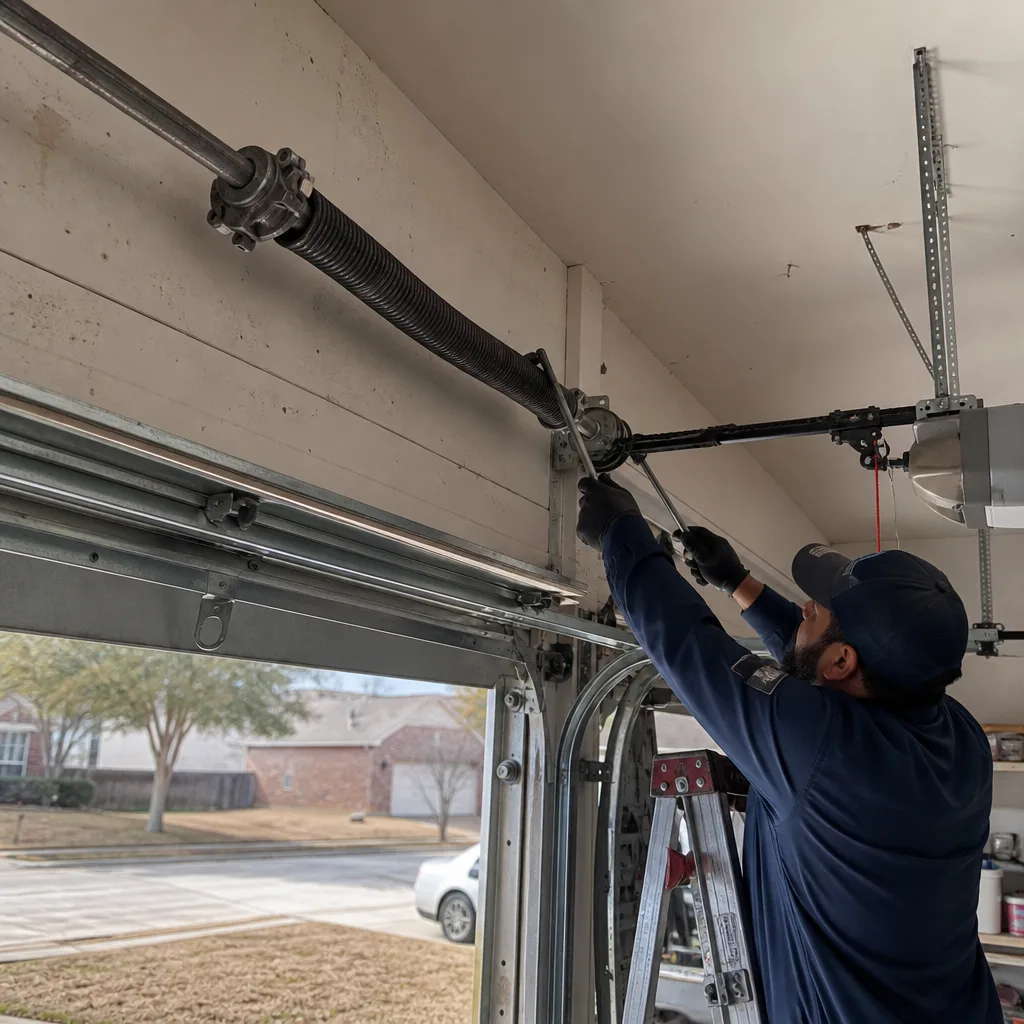 Before
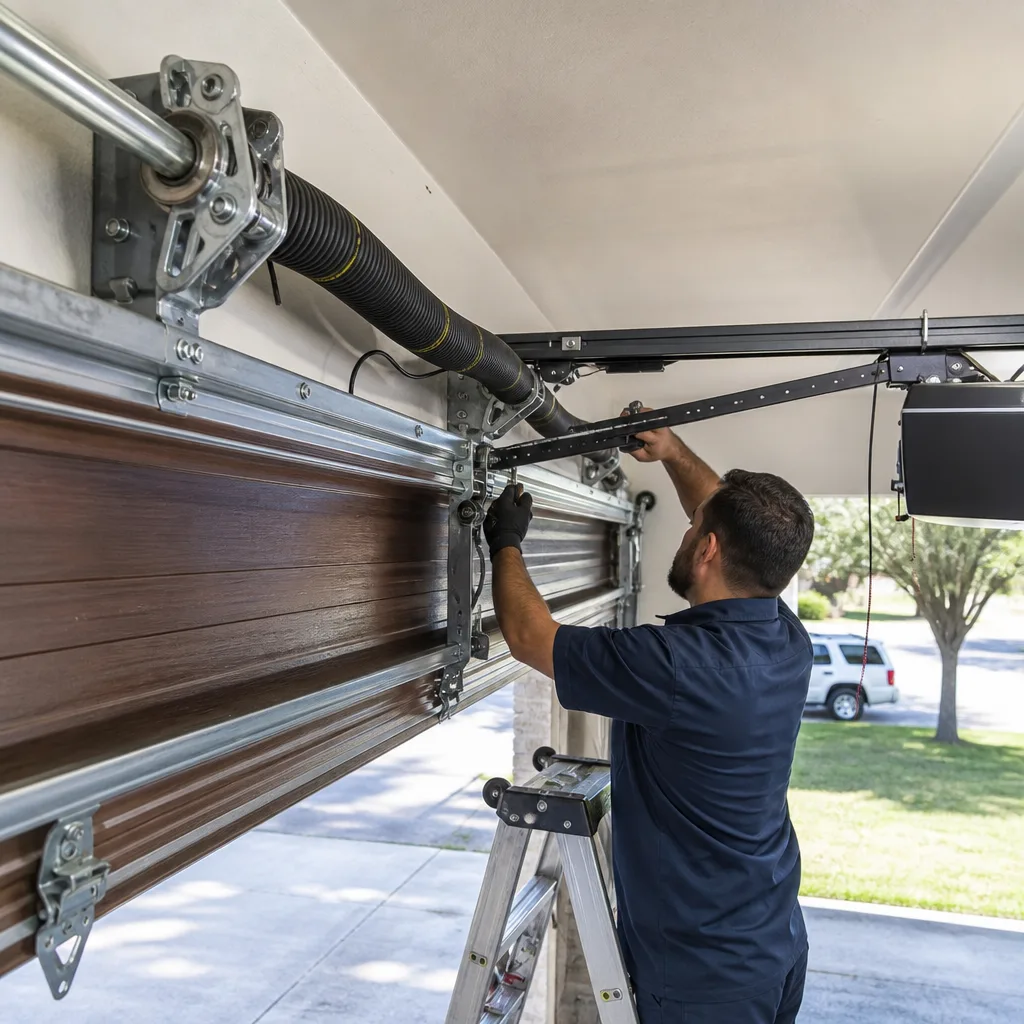 After
After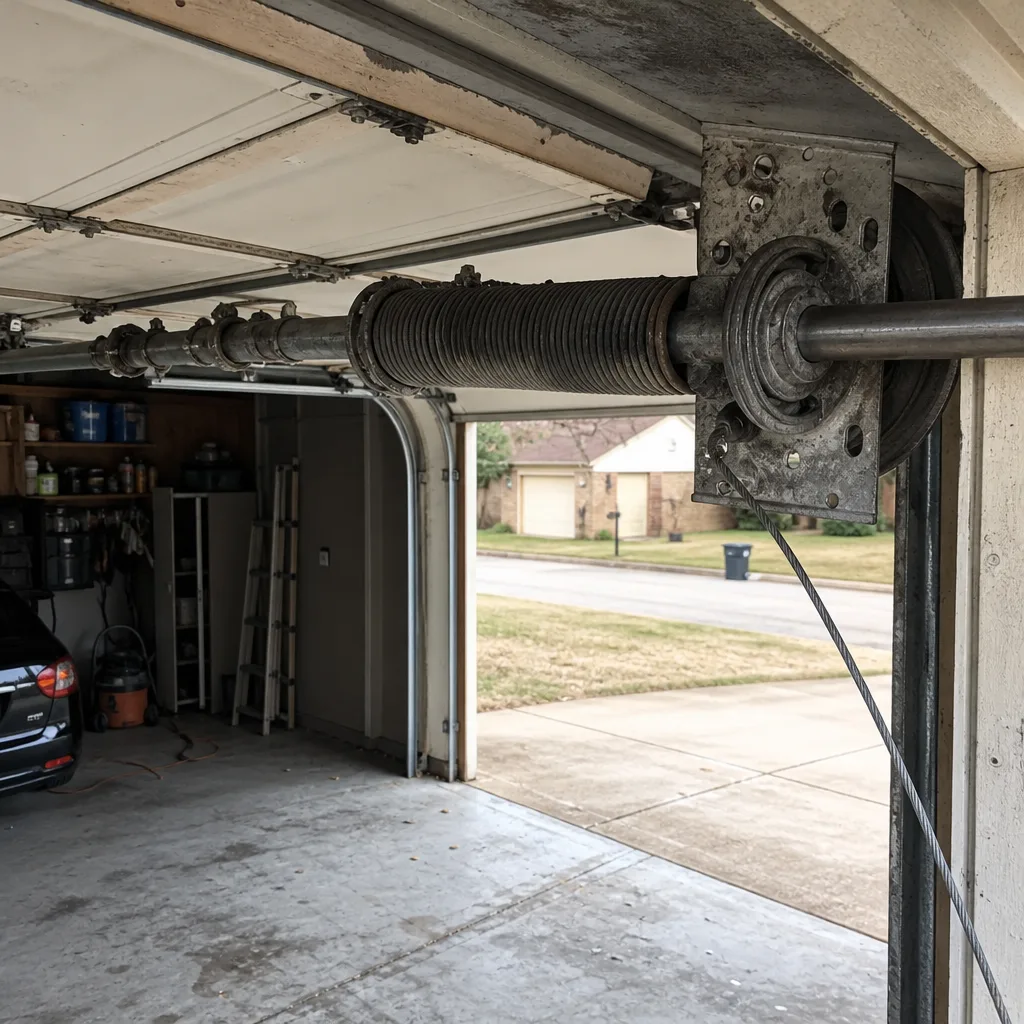 Before
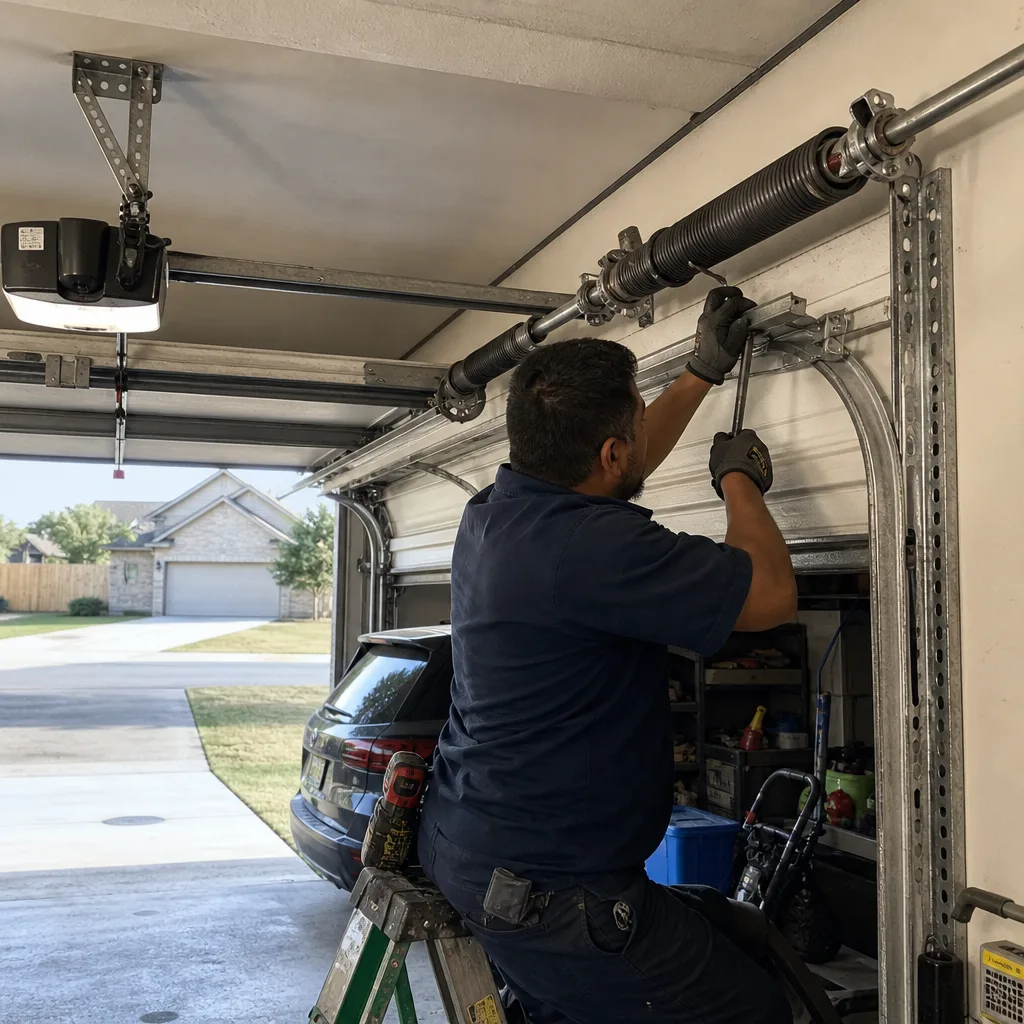 After
After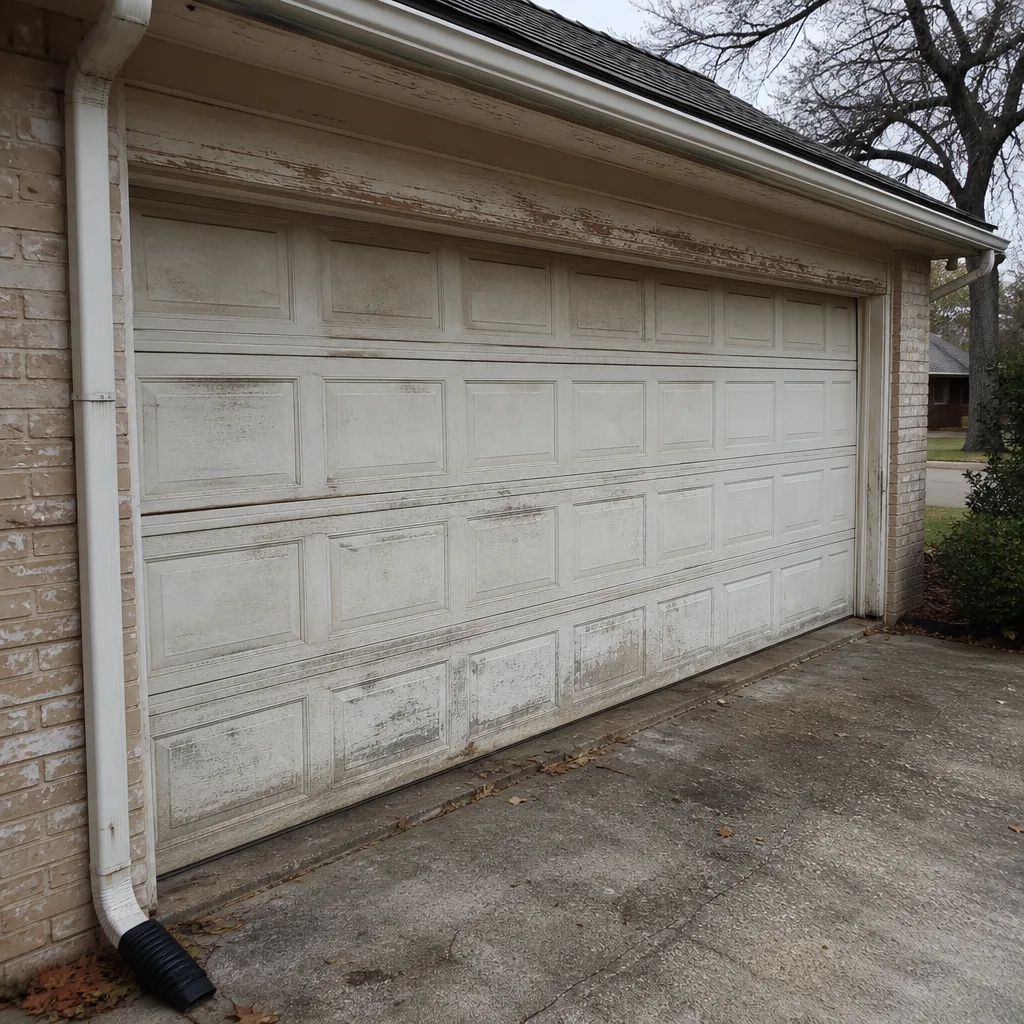 Before
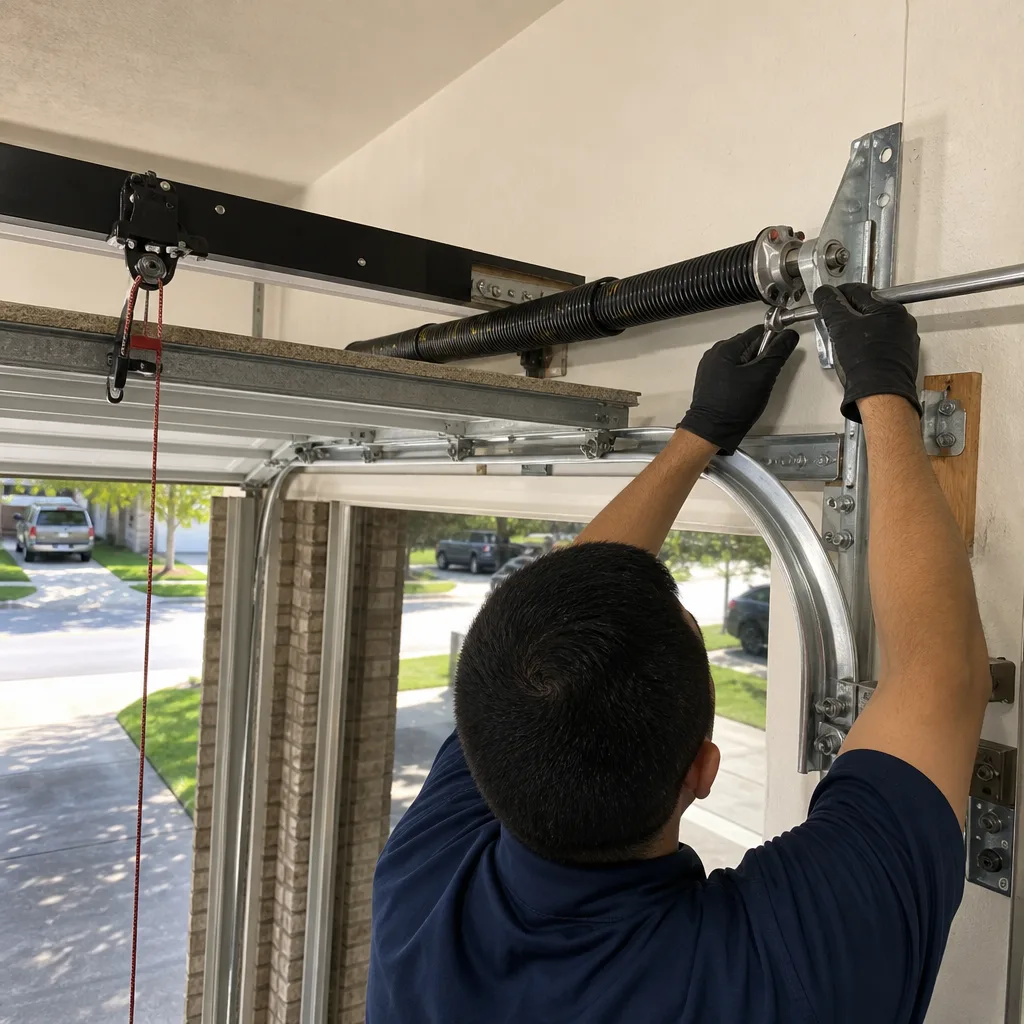 After
AfterReplacement Cost & What’s Included
In the Dallas market, installed Wayne Dalton weather seal replacement runs $130 – $250 for a standard single or double residential door. The spread comes from a few factors:
- Door width. A 16-foot double door needs twice the linear footage of a 9-foot single, and we cut the seal on-site to exact length. Material cost scales almost directly.
- Seal profile. Common T-style and bead-style seals sit at the lower end. Serrated-edge profiles for certain Wayne Dalton retainers cost more per foot and take a little more care to install cleanly.
- Retainer condition. If the aluminum retainer is bent, corroded, or packed with debris, we’ll straighten and clean it as part of the job. If it’s too damaged to hold a seal properly, we’ll tell you upfront and price a retainer replacement before any work starts.
The price you approve is the price you pay. Written, in your hand, before we touch the door. The labor includes removing the old seal, cleaning the retainer channel, cutting the new seal to length, seating it fully, and testing the door through a full cycle. Every weather seal replacement is covered by our 365-Day Done Right Promise – if the seal fails, sags, or falls out within a year, we return and fix it at no charge. That’s in writing.
DIY or Call Us?
Weather seal replacement is one of the safer garage door jobs an owner can tackle, and we say that without hedging. There’s no spring tension involved if you’re only working on the bottom retainer. The challenge is almost never the danger – it’s the fit. If you get the wrong profile, the seal won’t stay put, and you’ll be back on a ladder in two months.
What you can check yourself: measure your old seal’s width, note whether it’s T-shaped or bead-style, and look for a part number on the door label. If everything matches and the retainer is straight and clean, a careful DIY swap can work. Where it goes sideways is when owners buy a universal seal, force it into a Wayne Dalton retainer it wasn’t made for, and call us three weeks later because it’s dragging on the floor or fell out entirely. At that point you’ve paid for the part twice – once at the store, once for us to remove it and install the right profile.
If you’d rather have someone match the part, install it in twenty minutes, and hand you a written one-year guarantee, call (254) 269-5837. Tell us the model printed on the door label and we’ll bring the right seal with us.
FAQs
A Wayne Dalton weather seal in Dallas typically lasts 4 – 7 years, with bottom seals on west-facing doors failing at the short end and shaded doors lasting longer. The combination of prolonged UV exposure, slab heat radiance, and the occasional hard freeze is harder on vinyl compounds than almost any other climate factor in the country. If your door faces directly into afternoon sun, plan on replacing the bottom seal more often.
In nearly every case, replacement is the only sensible option – torn or compressed vinyl can’t be reliably glues or patched back to a working profile, and any repair that leaves a gap or a hard seam will fail within weeks. If only a small length at one end is damaged and the rest of the seal still has flex, we can sometimes shorten and re-seat the existing seal as a stopgap, but we’ll be honest when that’s a temporary fix rather than a real solution. Call (254) 269-5837 and describe what you’re seeing – we’ll tell you which side of the line you’re on.
Most single-door weather seal replacements take under 30 minutes on-site, and double doors typically run 45 minutes to an hour including retainer cleaning and cycle testing. Since we carry the common Wayne Dalton profiles on the truck, there’s no parts delay – you get a written price, the swap, and the guarantee in one visit.
We stock the most common Wayne Dalton bottom seal profiles – T-style, bead-style, and serrated-edge – along with perimeter seal for the 9000, 9100, 9400, 8000, 8100, and 8200 series, so most jobs are handled same-day. For less common profiles or specialty retainers, we order from the distributor and let you know the expected arrival before you commit to anything. If you want to confirm we have your profile before you schedule, call and give us the model number from the door label.
Written by Wade Mercer, Owner, Brock Garage Doors Dallas at Brock Garage Doors Dallas, serving Dallas and nearby areas.