
Last updated October 16, 2026
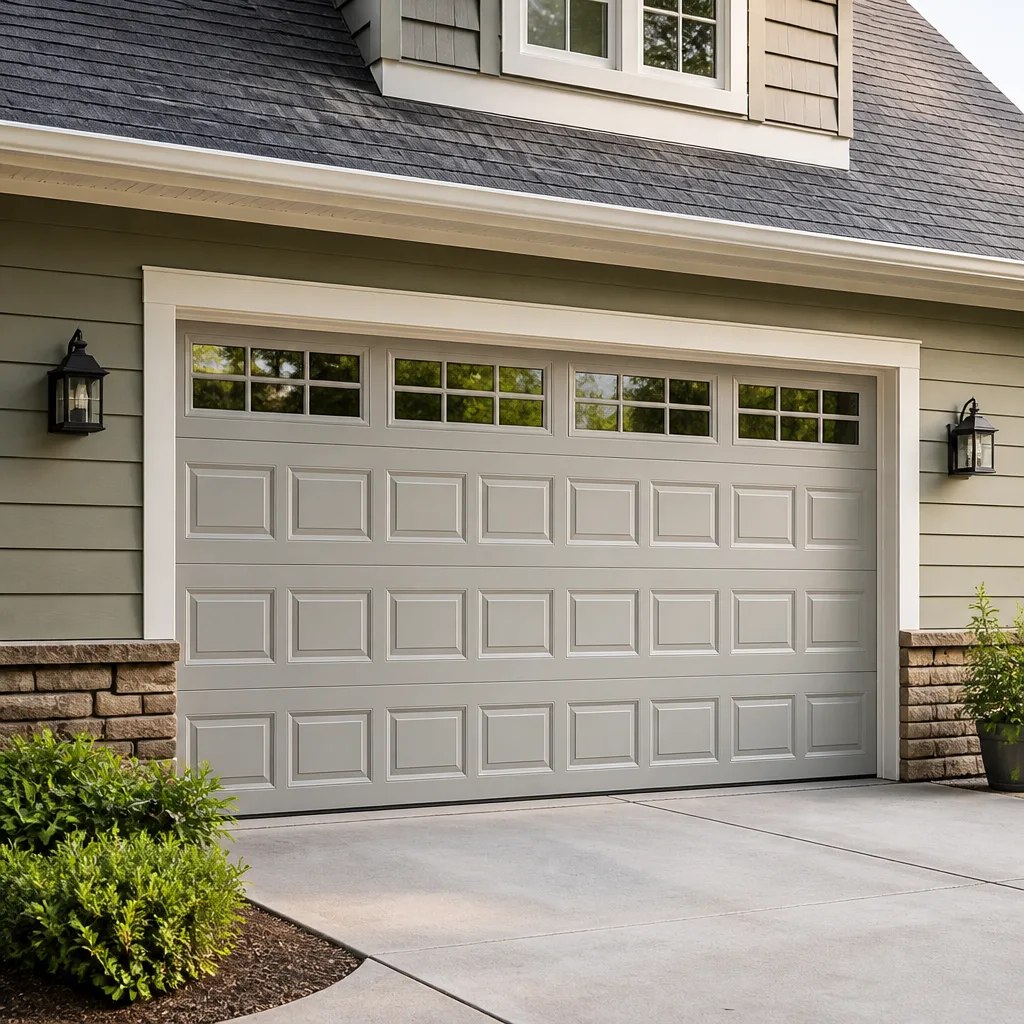 Raised-panel steel
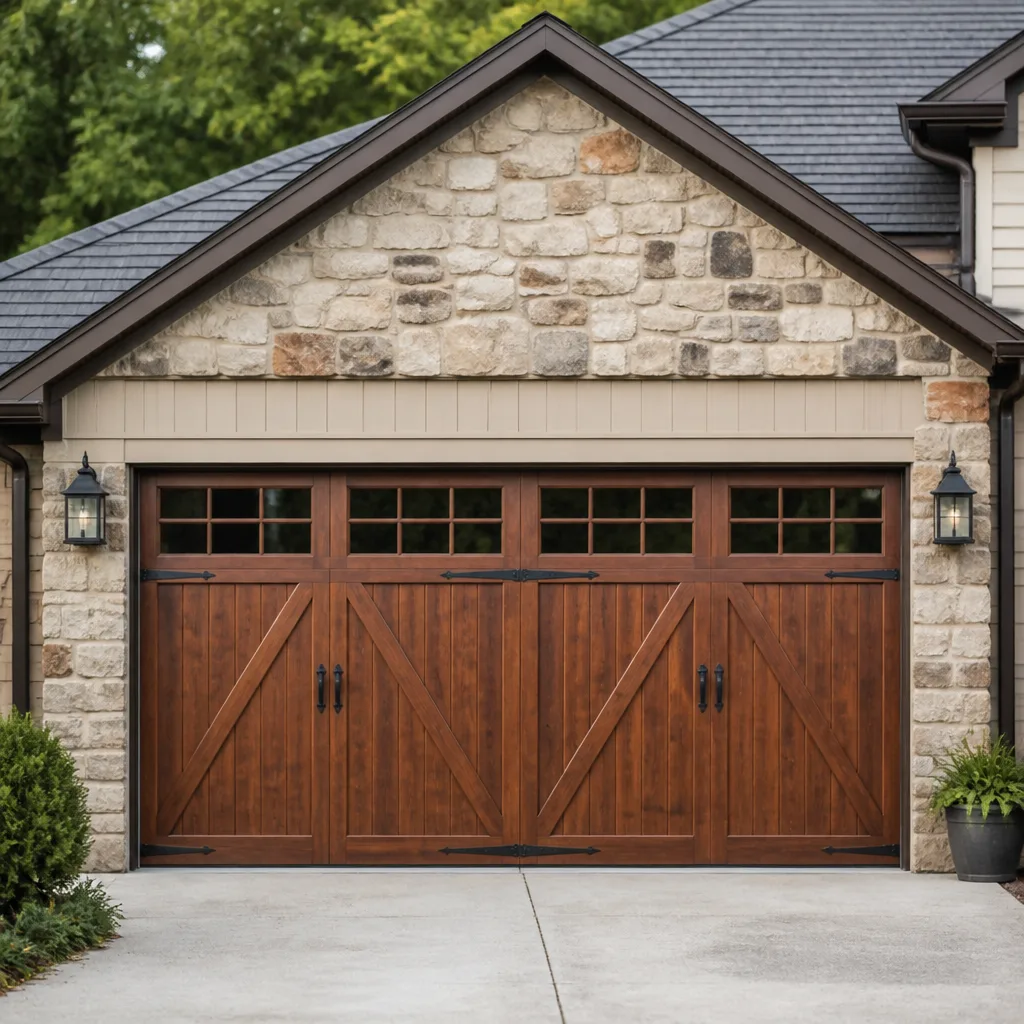 Carriage house
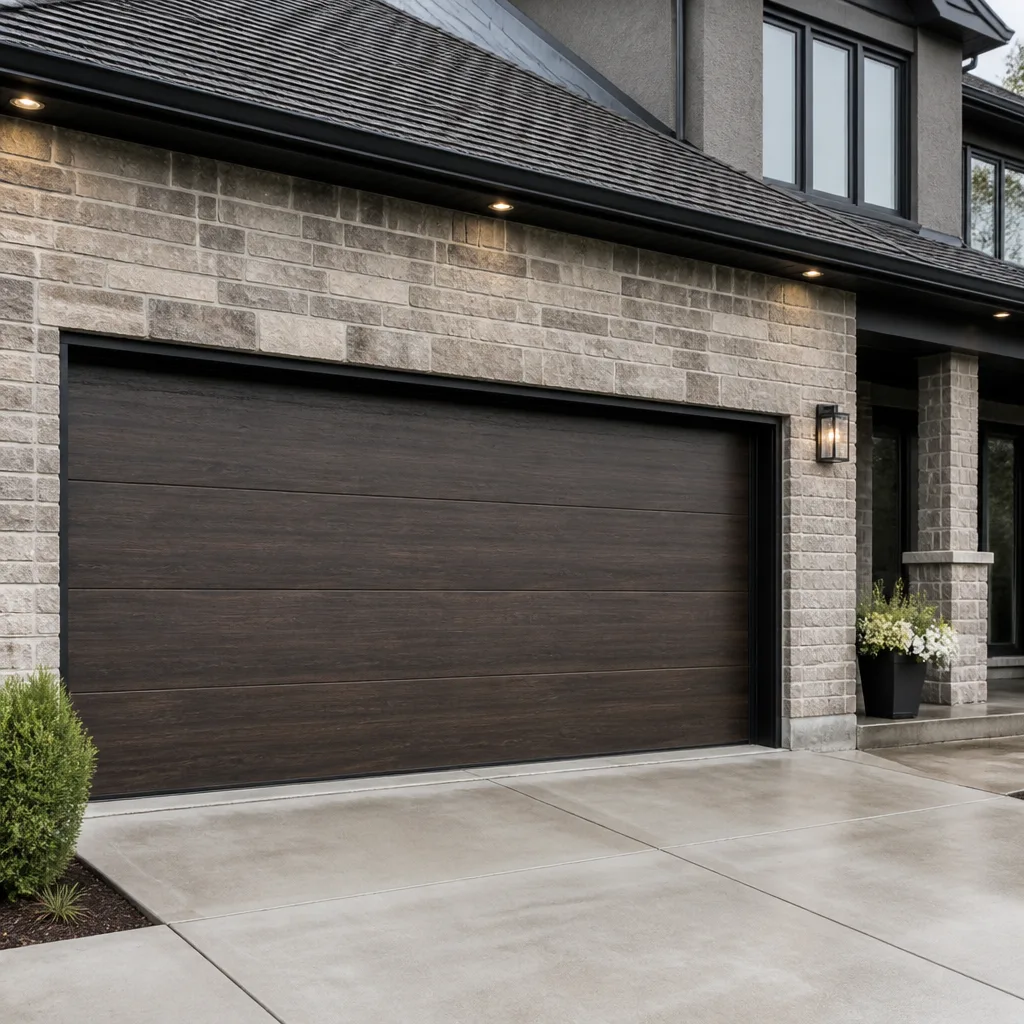 Modern flush
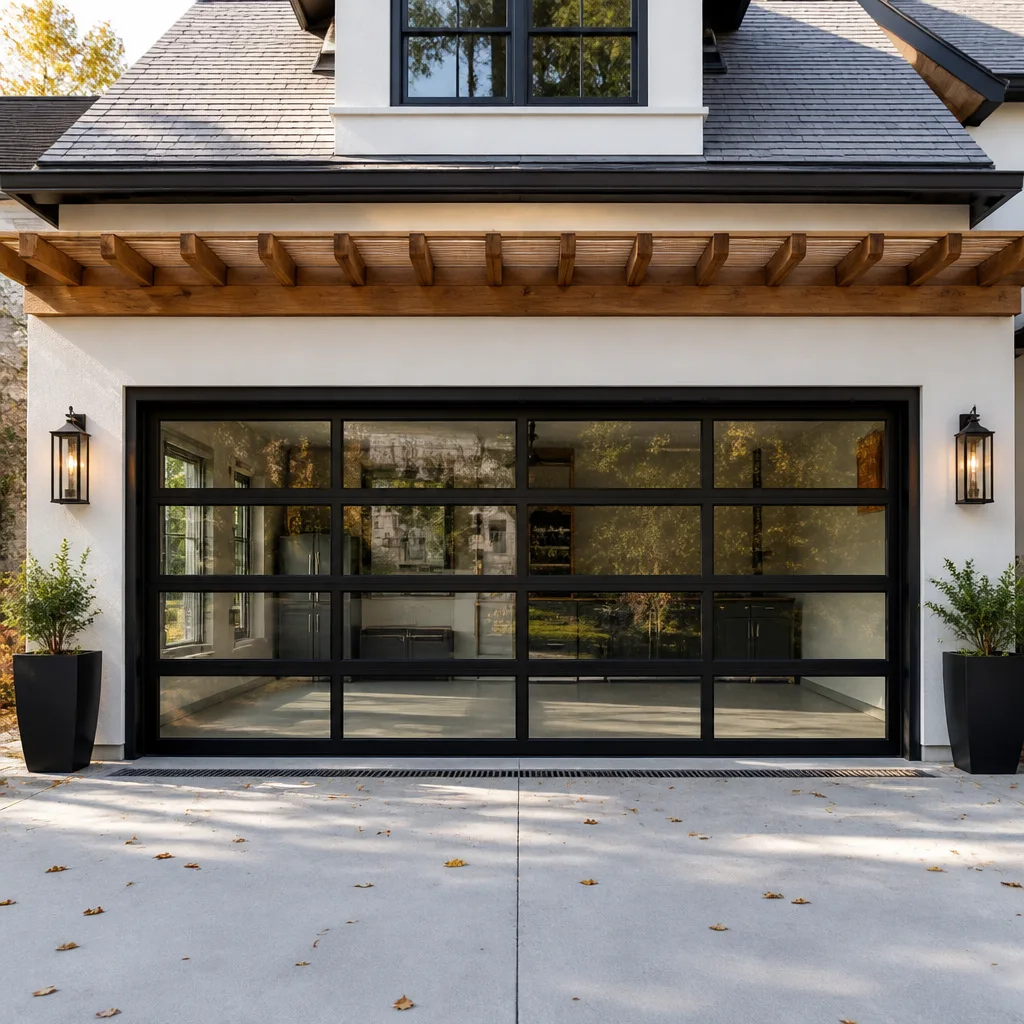 Full-view glass
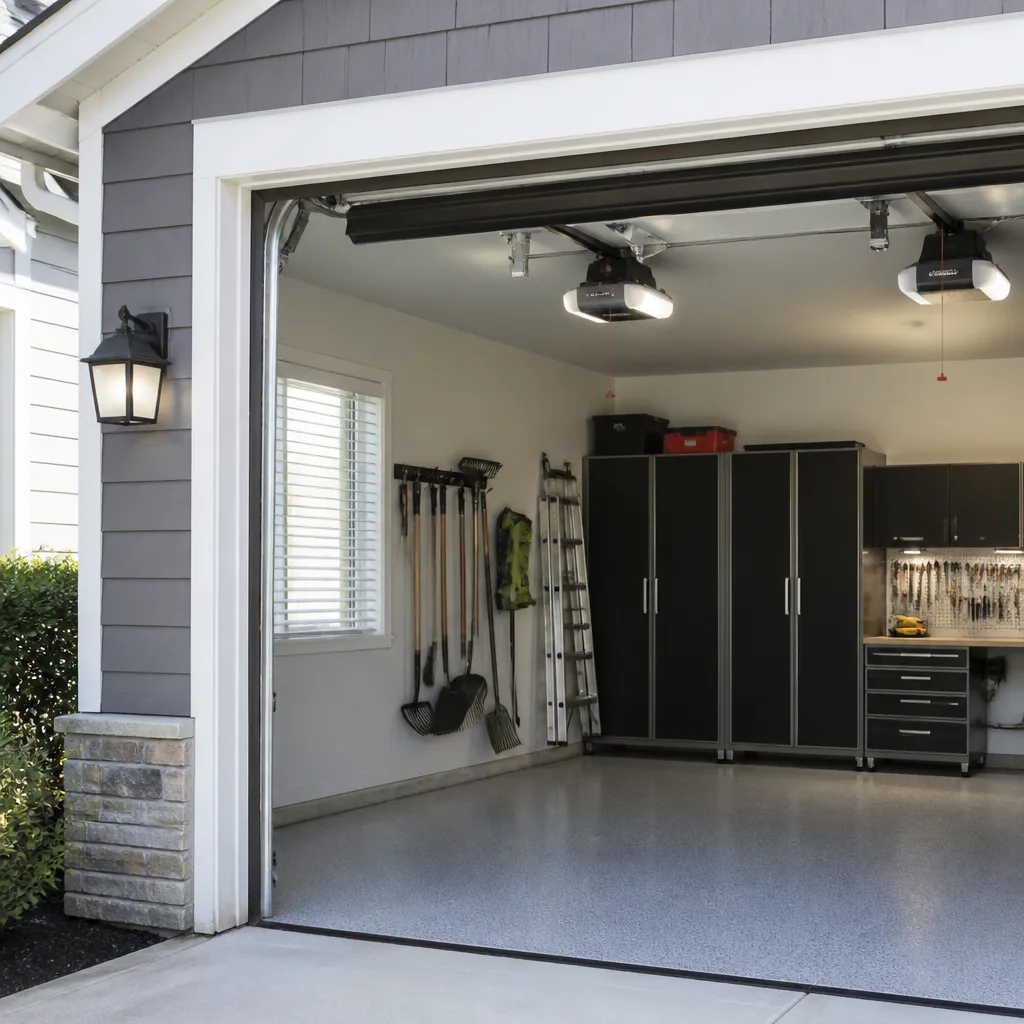 LiftMaster openers
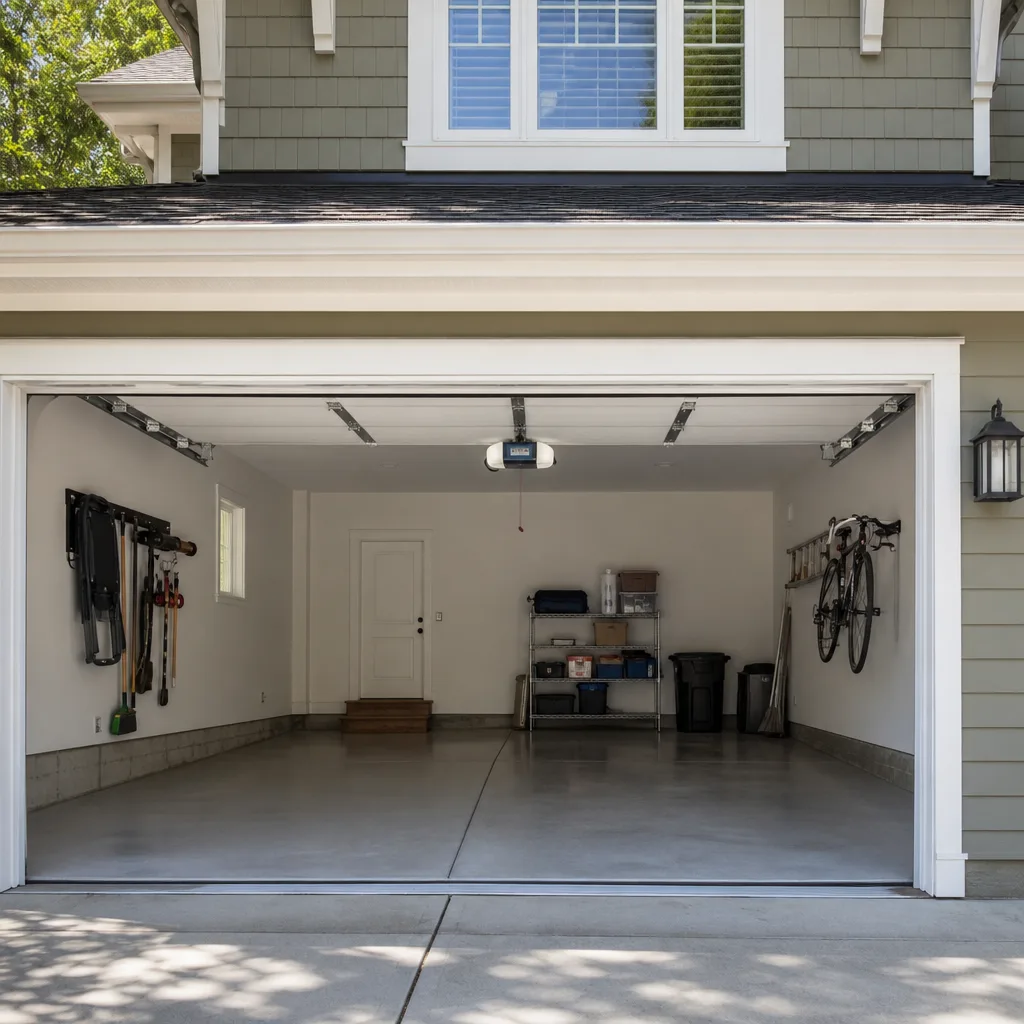 Chamberlain openers
Full 25-point door and opener safety check with every visit - springs, cables, rollers, tracks, and your LiftMaster or Chamberlain opener included
You get a price before we start. It does not change when the truck arrives.
Get your free estimateGarage Door Permits, Codes & Inspections in TX: What You Need to Know
Most Dallas homeowners don’t discover their garage door replacement needed a permit until they’re sitting at a closing table or filing an insurance claim. A garage door isn’t just a moving wall – it’s a structural component of your home, and Texas building code treats it that way. This guide explains exactly when a permit is required in Dallas, what the inspector actually checks, and who carries the liability when a contractor tells you to skip the paperwork; for more on keeping your door compliant year-round, see our Garage Door Repair Maintenance Checklist for Dallas Homeowners. By the end, you’ll know more about garage door code compliance than most handymen who install them.
Styles & brands we work with
Quick Answer
In Dallas, a garage door replacement – removing the old door and installing a new one – generally requires a building permit from the City of Dallas Development Services Department. A like-for-like panel replacement or hardware repair on an existing door typically does not. The permit-holder is responsible for the work meeting Texas wind-load requirements under IRC Section R302, and the inspection verifies structural anchoring, electrical wiring for the opener, and proper bracing before the job is closed out.
Table of Contents
- When a Garage Door Permit Is Required in Dallas
- Texas Wind-Load Requirements: What IRC Section R302 Means for Your Door
- Who Pulls the Permit – Contractor or Homeowner?
- How to Check Open and Closed Permits on a Dallas Property
- What a Dallas City Inspector Actually Checks on a Garage Door
- The Real Cost of Unpermitted Garage Door Work
- Common Mistakes to Avoid
- When to Call a Professional
- Frequently Asked Questions
- The Bottom Line
When a Garage Door Permit Is Required in Dallas
Dallas operates under the 2018 International Residential Code (IRC) with local amendments, and the City of Dallas Development Services Department enforces it. The short version: if you’re replacing the entire garage door assembly – track, springs, panels, everything – you need a permit. If you’re swapping out a damaged panel on an existing door or replacing a broken spring, you don’t.
Here’s the breakdown of what triggers a permit in Dallas:
- Full door replacement – removing the existing door, track, and hardware, then installing a new door assembly: permit required.
- Structural modifications – enlarging the opening, replacing the header, or altering the framing around the door: permit required, and the framing work itself gets inspected separately.
- New garage door opener installation with new wiring – running a new circuit or adding an outlet: electrical permit required in Dallas. Replacing an opener on an existing outlet does not require a permit.
- Panel replacement on an existing door – swapping damaged sections while keeping the original track and hardware: no permit required.
- Spring, cable, roller, or hinge repair – maintenance and component replacement on the existing assembly: no permit required.
One nuance Dallas homeowners miss: a “garage door replacement” permit is not the same as a “repair” permit. The City’s Development Services portal lists garage door replacement as a distinct permit type under residential building work. If you’re unsure whether your job falls under repair or replacement, call the permit office with your address and a description of the work. Or call us – we’ll tell you straight what the scope requires, since we pull permits in Dallas regularly.
This matters in Dallas specifically because of the climate. Wind events, hail, and temperature swings that swing 40 degrees in a day put real stress on garage door anchoring. The permit process forces the install to meet the structural standard that handles that stress, rather than a handyman’s best guess.
Texas Wind-Load Requirements: What IRC Section R302 Means for Your Door
Residential building code treats the garage door as part of the home’s wind-resistance system. IRC Section R302 – specifically the provisions about garage separation and door construction – sets the baseline requirements that Texas has adopted with wind-zone adjustments. In simple terms: your door has to handle the wind speed your zip code says it should.
Here’s what that means for a Dallas homeowner:
- Wind-pressure rating – Most Dallas zip codes fall into the 110-mph wind zone for residential construction. That means the door you install must carry a design pressure (DP) rating adequate for that zone. DP-50 is common for the immediate Dallas area, but some northern suburbs require a higher rating, especially on homes built after 2015.
- Garage-to-house separation – IRC R302.5.1 requires the wall and door separating the garage from the living space to be a fire separation. The vehicle-entry door itself isn’t part of the fire wall, but the door’s structural attachment to the framing is.
- Anchoring and brackets – Each door brand publishes a required fastener schedule: how many lag screws at what spacing into the framing. The inspector checks this against the manufacturer’s installation instructions. When a contractor “just throws it up,” the wind rating on the door label means nothing.
- Wind-load certification on the door – Quality doors carry a physical label or documentation listing the door’s design pressure rating. Brands like Clopay and Amarr publish these specs by model and size. Your permit application typically lists the door model and its DP rating.
In our experience, the wind-load requirement is the piece most contractors skip when they tell Dallas homeowners “you don’t need a permit for that” - one of several Garage Door Warning Signs: A Dallas Homeowner’s Reference Guide. A door with no verified rating, anchored with three drywall screws into a trim board, is a liability filing quietly on the front of your house. The first big storm finds it.
Who Pulls the Permit – Contractor or Homeowner?
Technically, either party can pull the permit. Practically, the contractor should. And when the contractor refuses to, that’s a red flag the size of Texas.
Here’s how the responsibility actually lands in Dallas:
- If the contractor pulls the permit – The contractor’s name is on the permit, which means the contractor’s license and insurance are tied to the work. The inspection results fall under the contractor’s record. Most importantly, the contractor takes legal responsibility for the work meeting code. This is the correct arrangement.
- If the homeowner pulls the permit – You – not the contractor – are now responsible for the work passing inspection. If the installation fails and the contractor has vanished, you’re the one holding the open permit, which becomes a public record on your property. You can hire another contractor to fix it, but you eat the cost.
- If no one pulls a permit – The work proceeds illegally. The contractor gets paid in cash, the homeowner has no inspection record, and everyone walks away until something fails or the house goes on the market. Then the liability falls entirely on the homeowner.
Here’s the scenario we hear about in Dallas more than we’d like: a contractor tells the homeowner “this job doesn’t need a permit” because he doesn’t want the delay or the inspection risk. The homeowner saves $200 on permit fees. Two years later, the door’s anchoring fails and a spring-loaded door drops on the hood of a car. The homeowner’s insurance adjuster asks for the permit. There is no permit. Claim denied.
What makes this worse is that the liability doesn’t stay with the contractor who skipped the permit. Once the homeowner accepts unpermitted work, the homeowner assumed responsibility for it. A contractor who offers to “save you the hassle” by skipping the permit is actually offloading his legal liability onto you and calling it a favor.
At Brock Garage Doors Dallas, we pull permits on every job that requires one. It adds time and a city inspection to the process. We do it anyway, because it’s the only arrangement that protects the homeowner.
How to Check Open and Closed Permits on a Dallas Property
If you’re buying a home in Dallas – or selling one – the permit history on your garage door matters more than most people realize. And it’s surprisingly easy to check.
Here’s the step-by-step for a Dallas property:
- Go to the City of Dallas Development Services portal – The city maintains an online portal where you can search permits by address. You don’t need an account to view public permit records.
- Enter the property address – The portal shows all permit activity associated with that address, including garage door replacement permits, electrical permits, and structural permits. It shows the permit number, issue date, status, and inspector notes.
- Look for “open” or “final” status – A permit that was issued but never inspected shows as “open.” An open permit means the work was paid for but never verified. That’s a problem for you if you’re buying the house.
- Cross-reference with county records – Dallas County Appraisal District (DCAD) records show building permits in some cases, but the city portal is the authoritative source for Dallas proper.
- Call the Development Services Department – If the portal isn’t giving you a clear answer, call the permit office directly. They can pull the file for a specific address while you wait.
An unpermitted garage door replacement creates two practical problems at resale. First, the title company may flag it during the title search, which can delay closing or require the seller to obtain a retroactive permit – which typically requires opening up the work for inspection and paying double fees. Second, the buyer’s home inspector will note the unpermitted work in the inspection report, and the buyer will use it as a negotiation tool. In a competitive Dallas market, that can mean selling your house for $5,000 less over a $200 permit.
Checking open permits is also a smart move before you buy. If the seller pulled a building permit for a garage door replacement in 2022 and it was never closed, you inherit the open permit when you buy. The city can require you to bring the work into compliance before you sell, not the original seller.
What a Dallas City Inspector Actually Checks on a Garage Door
When a permit is pulled for a garage door replacement, a Dallas city inspector comes out to the property. Homeowners often expect a quick glance at the door and a signature. In reality, a competent inspector checks several specific things, and if any one of them fails, the permit stays open until it’s corrected.
Here’s what the inspection typically covers:
- Mounting hardware – The inspector verifies the track brackets are anchored with the correct fasteners into the framing members, not just drywall or trim. Lag screw size, spacing, and embedment depth are checked against the manufacturer’s installation specs.
- Opener electrical – If the opener is new or re-wired, the inspector checks the outlet, the wiring method, and that the opener is on a GFCI-protected circuit where required by current code. Older Dallas homes often need a circuit upgrade to pass.
- Safety sensors – The photoelectric eye sensors near the bottom of the door must be installed no higher than 6 inches from the floor and must reverse the door when the beam is interrupted. This is a non-negotiable code item.
- Door balance and operation – The inspector will test the door’s balance: it should stay in place at mid-height when released manually. A door that slams or creeps indicates spring tension problems.
- Wind-load labeling or documentation – If the permit application included a specific wind-pressure rating, the inspector verifies the installed door matches the documentation.
- Reversing mechanism – The auto-reverse function on the opener must be tested with a 2×4 or similar obstruction. If the door doesn’t reverse, the inspection fails.
If the work fails inspection, the permit stays open and a re-inspection must be scheduled. In Dallas, re-inspection fees typically match the original inspection fee. If the contractor who failed the inspection won’t come back to fix it, the homeowner owns both the open permit and the re-inspection bill. This is why you want a contractor who has a track record of passing Dallas inspections the first time, not one who learns the code from the inspector’s correction notes; our How to Hire a Garage Door Contractor in Dallas: A Step-by-Step Guide covers what to verify before you sign.
The Real Cost of Unpermitted Garage Door Work
Let’s put dollars on this so it’s concrete. In Dallas, a residential building permit for a garage door replacement typically runs $100 to $300 depending on the scope and valuation. A comparable electrical permit adds $50 to $150. Against a door replacement that runs anywhere from $800 to $4,000 installed, the permit is a small fraction of the total.
Now here’s what unpermitted work can cost a Dallas homeowner:
- Insurance denial – If the door fails due to improper installation and causes property damage or injury, the adjuster’s first move is to verify the work was permitted. No permit means no coverage. A spring failure that sends a 150-pound door segment down onto a car hood is a $3,000 repair. A person under that door is a six-figure claim.
- Retroactive permit fees – Dallas charges penalties for after-the-fact permits, typically double the original fee. What would have been $200 becomes $400, plus the cost of hiring a licensed contractor to inspect and potentially correct the work.
- Repair of improper installation – This is the expensive one. A door installed without inspection means torque settings, cable tension, and anchor fastening were never verified. Correcting poor work on an installed door often costs as much as the original install.
- Title insurance complications – An unpermitted garage door replacement can cause a title company to flag the property, delaying closing. Some title insurance policies contain exceptions for unpermitted work, which means the title company won’t be liable if the city later requires the work to be corrected.
The math never works out in favor of skipping the permit. The contractor who recommends it is saving himself an inspection. The risk transfers to you, and the cost lands on you, every time.
Common Mistakes to Avoid
- Believing “you don’t need a permit” from someone who has a financial reason to say it. Contractors who work without permits get jobs done faster and cheaper. They’re also off the hook when the work fails. Ask yourself who benefits from skipping the permit.
- Assuming a permit is only required for structural changes. A full garage door replacement is considered structural work in Dallas because of the wind-load function the door serves. Panel repair isn’t, but a complete replacement is.
- Ignoring the spring’s wound tension when selling the house. An unpermitted replacement isn’t hidden by a clean install. The permit history is public record, and any competent buyer’s agent will find it.
- Letting the homeowner pull the permit for a contractor’s work. It protects the contractor and exposes you. If the contractor asks you to pull the permit, find another contractor.
- Forgetting the electrical permit when a new opener circuit is run. The garage door permit doesn’t cover electrical work. A separate electrical permit covers new wiring. Skipping one doesn’t mean the city won’t find out later.
- Using a handyman for a full door replacement. Garage door installation in Dallas requires a permit, and a handyman typically can’t pull one. If he can’t pull the permit, the work is being done unpermitted by default.
When to Call a Professional
If you’re replacing a full garage door in Dallas, call a contractor who pulls permits as a matter of course – not one who skirts the process. You’ll know the difference fast: the legitimate contractor names the permit as a line item and schedules the inspection as part of the job; the unlicensed operator dodges the question or dismisses it entirely.
If you’ve inherited an unpermitted garage door installation – either through a purchase or through a contractor who vanished – call for a professional evaluation before an inspector or an insurance adjuster gets involved. We inspect existing installations regularly and can tell you what’s actually wrong versus what passes code. Garage Door Repair in Dallas covers everything from anchor verification to spring replacement. Brock Garage Doors Dallas offers free estimates in Dallas – call (254) 269-5837.
Frequently Asked Questions
A full garage door replacement in Dallas requires a building permit from the City of Dallas Development Services Department. Panel replacement and component repair on an existing door generally do not. When we install a Brock Garage Doors Dallas home replacement, the permit is included in the job scope and we handle the inspection scheduling.
A residential building permit for garage door replacement in Dallas typically runs $100 to $300 depending on the work valuation and scope. An electrical permit for a new opener circuit adds roughly $50 to $150. We confirm the exact permit line item with the city before starting work, so there’s no surprise at the end. Call (254) 269-5837 for a written estimate in Dallas.
You technically can sell, but the unpermitted work will likely surface in the buyer’s inspection or the title search, and it will cost you at the negotiation table. Many Dallas sellers end up paying double fees for a retroactive permit or reducing the sale price to compensate the buyer. It’s cheaper to fix the permit issue before you list than after an offer is on the table.
The homeowner carries the liability for unpermitted work, not the contractor, once the work is accepted. Texas courts have consistently held that a homeowner who accepts unpermitted construction assumes responsibility for it. That’s why a contractor who “saves you the permit fee” is transferring his legal exposure to you without telling you.
Most Dallas residential garage doors need a design pressure rating of DP-50 or higher, depending on the exact zip code and the home’s construction date. The manufacturer’s label on the door carries the rating, and the city inspector verifies it against the permit application during the final inspection.
Yes. If the work was installed without a permit and fails inspection or your own evaluation, we can correct the installation and coordinate the retroactive permit process with the city. Garage Door Opener Repair in Dallas covers opener-specific issues, and Garage Door Cable Repair in Dallas covers cable replacements. Most cable repairs run $150 – $275, depending on cable type and drum condition.
The Bottom Line
Garage door permits in Dallas aren’t bureaucratic red tape. They’re the mechanism that ensures your door handles Texas wind loads, keeps your family safe from spring failure, and protects your insurance coverage if something goes wrong. A full replacement needs a permit. A contractor who says otherwise is protecting himself at your expense. The process isn’t complicated when you work with a crew that does it daily - the permit gets pulled, the door gets installed to code, the inspector verifies it, and the job closes clean. For more guides & resources on garage door safety and compliance, explore our blog. That’s how garage door work should work in Dallas. That’s how we do it.
Written by Wade Mercer, Owner at Brock Garage Doors Dallas, serving Dallas since 2001.
See the difference
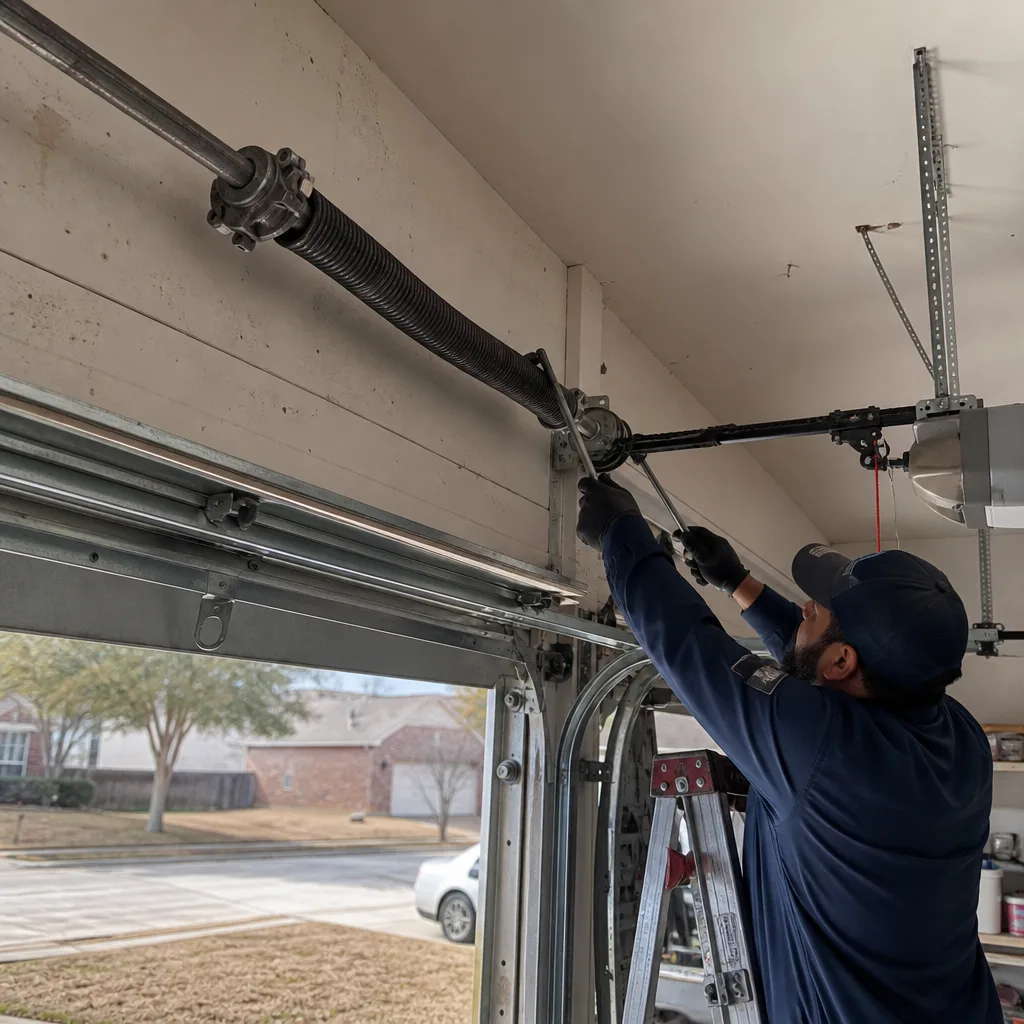 Before
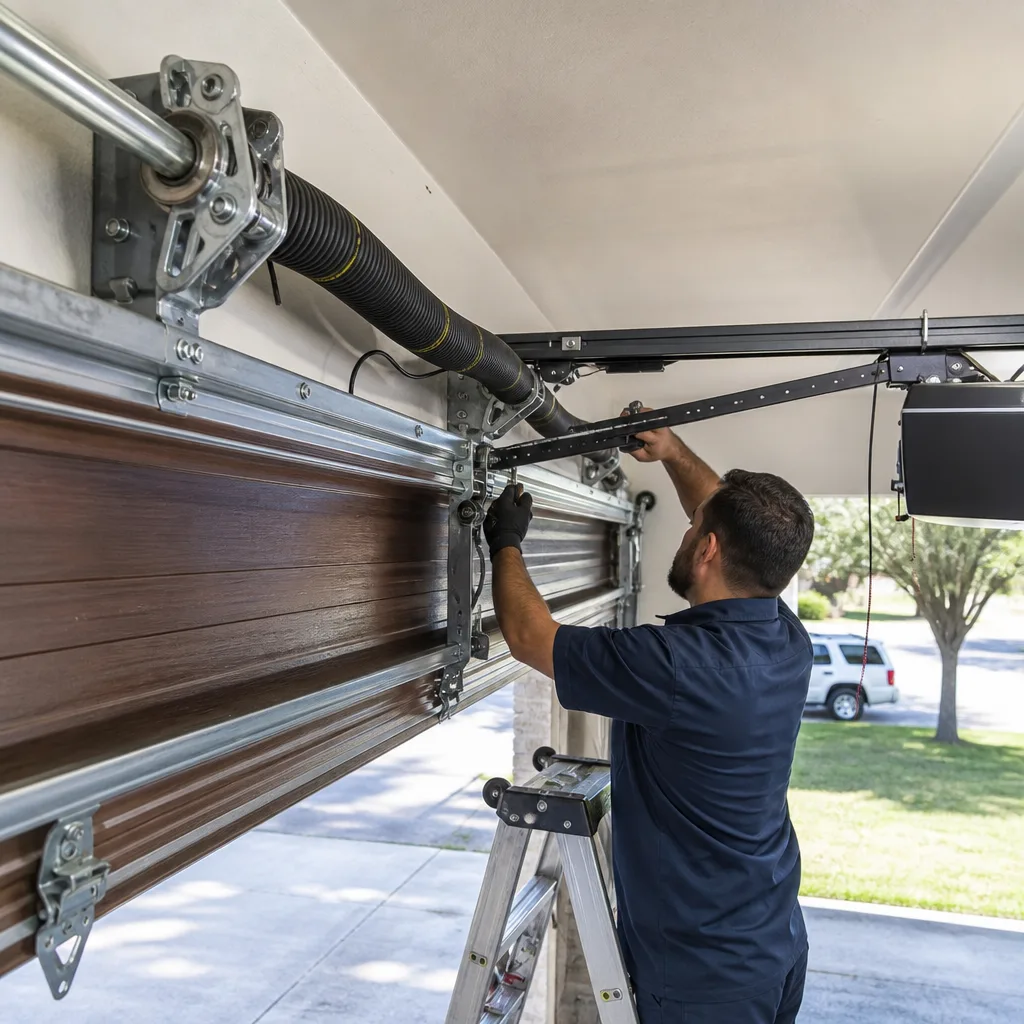 After
After Before
 After
After Before
 After
After